
Sustainability & Land Stewardship
Great wine starts long before the harvest.
Healthy soils, happy vines, fewer shortcuts.
Presqu’ile Philosophy.
Everything we do is rooted in a simple belief: the health of the land shows up in a glass. That means paying attention early and making decisions that prioritize quality over shortcuts.
From organic to SIP Certified®.
In a cool-climate, marine-influenced site, sustainability isn’t static; it’s something that has to be refined. We started with organic farming and evolved our approach as the vineyard evolved with us.
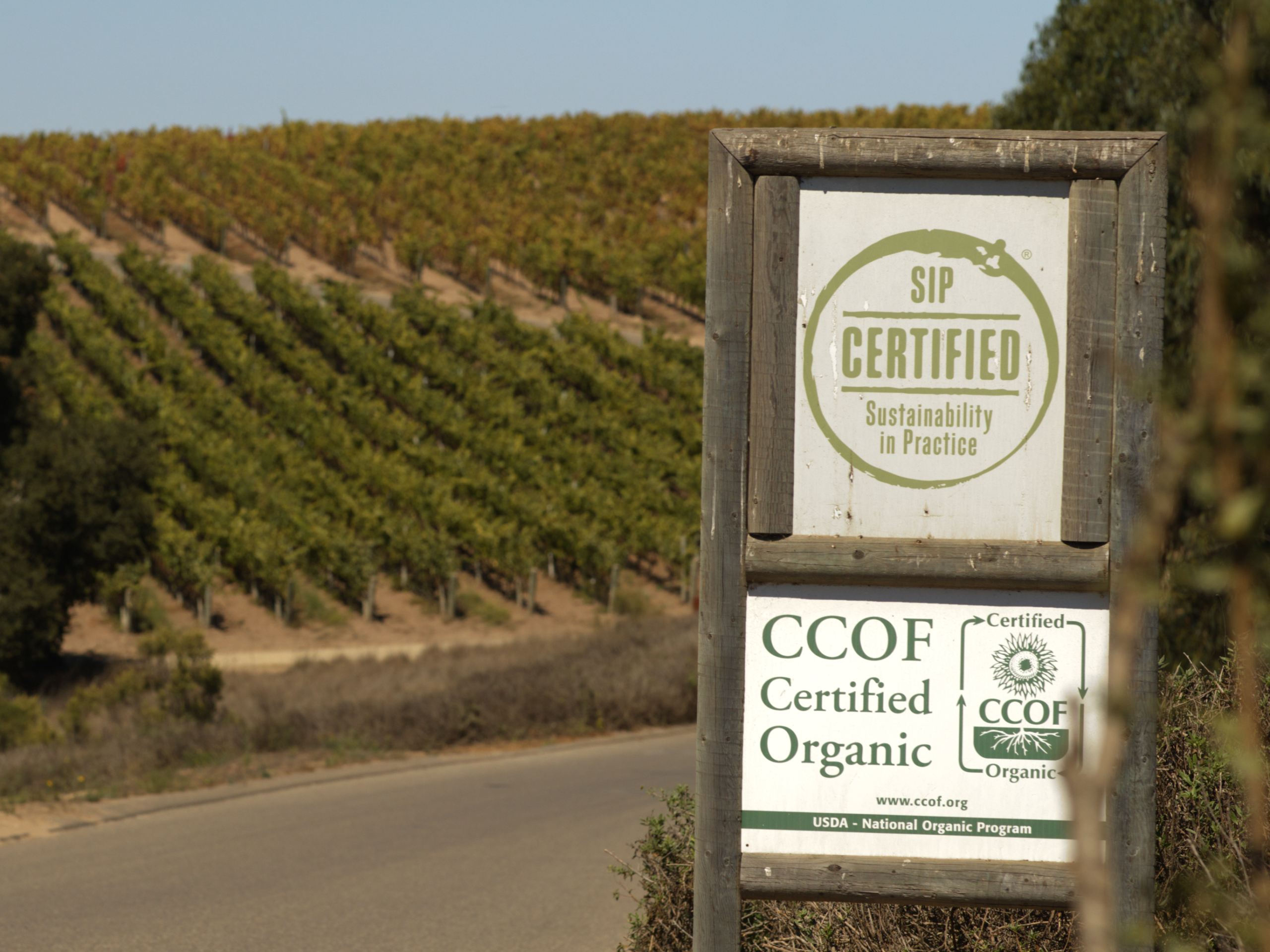
Today, we farm under SIP Certification, a third-party program that evaluates environmental stewardship, winemaking, and everything in between.
Our farming practices.
No two seasons look the same, so neither does the way we farm. We’re constantly responding to what the vineyard needs, but in a way that reduces unnecessary intervention. With app-controlled watering stations and soil, we can track sudden shifts in weather. If a forecast predicts rain, we can easily turn watering off before it starts.
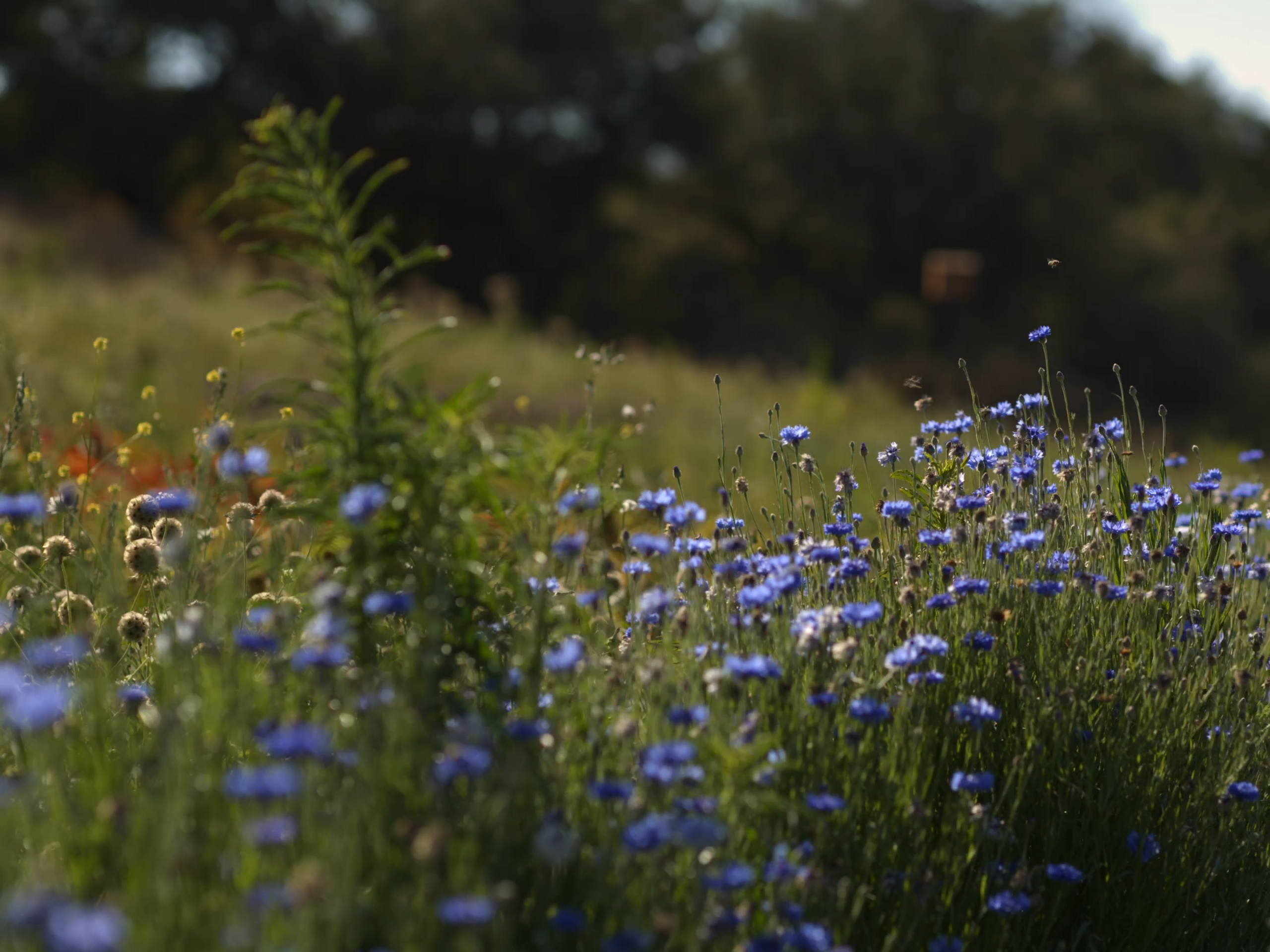
Understanding our land’s needs also means paying close attention to what’s happening underneath the vines. We plant cover crops like white dutch clover and sheep fescue between vine rows to naturally rebuild nutrients in the soil. We additionally introduce wildflowers across the property to bring beneficiary insects back to our ecosystem.
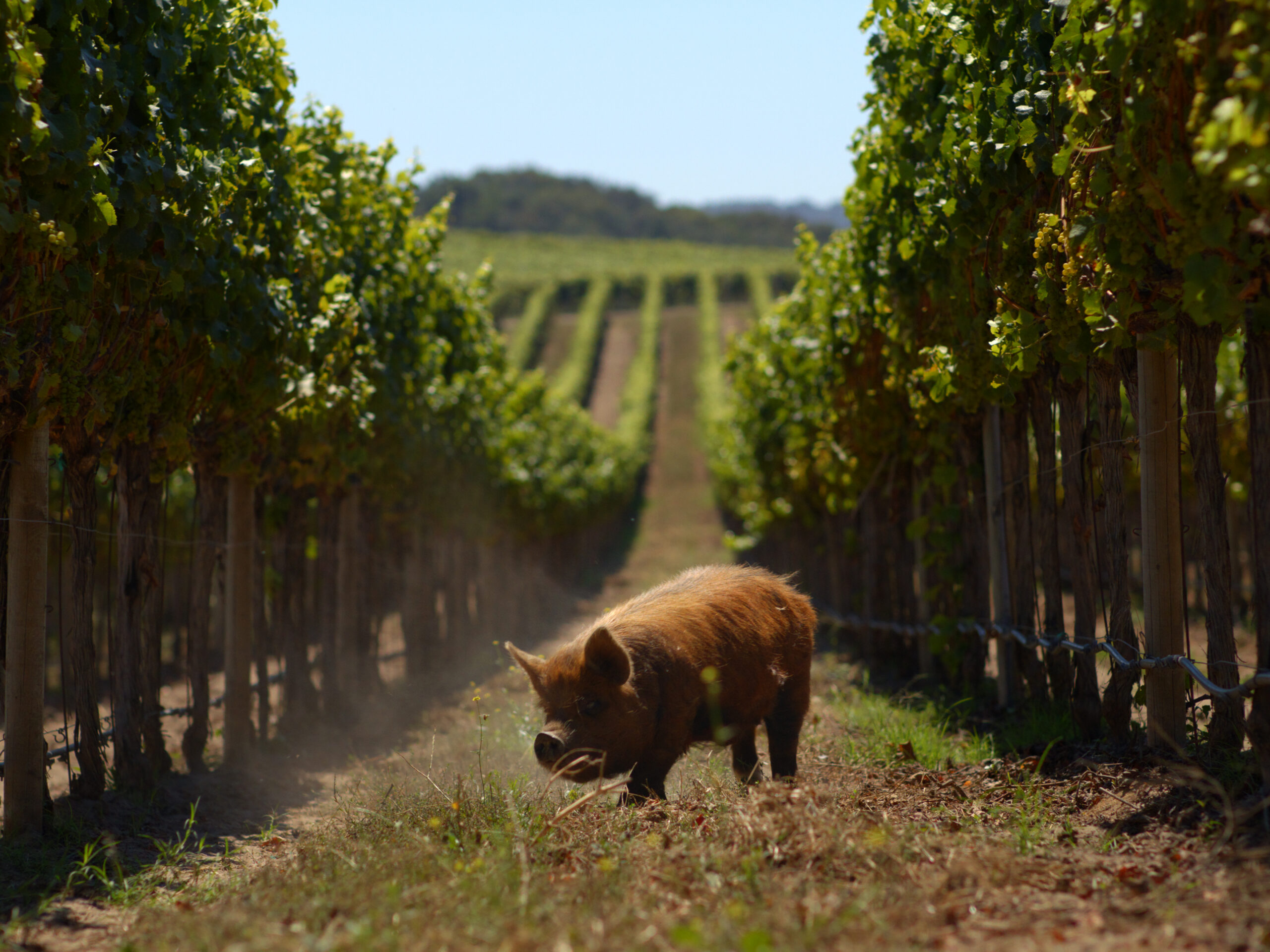
The cutest members of our team.
Our KuneKune pigs help us manage cover crops naturally, grazing through the vineyard so we can reduce tractor use and CO2 emissions. Their snouts are too short to root, meaning the vines remain undisturbed, and their height prevents them from being able to eat any grapes. They’re excellent at their jobs, though they’d probably just call it snacking.
We also use goats for grazing the chaparral. While we’d love to list out all their names (we have many in the Presqu’ile family), our herd is primarily made up of Nigerian Dwarfs, with a mingle of Nigerian Dwarf/Nubian crosses. Both are dairy breeds, and both are imperative in helping reduce fire risk while maintaining healthy open land.
Adorable? Yes. Effective? Absolutely.
Looking for a piece of goat-loving trivia: Nigerian Dwarf goats have the highest milk fat content of all dairy breeds. While that doesn’t affect the vines, we think it’s pretty nifty.
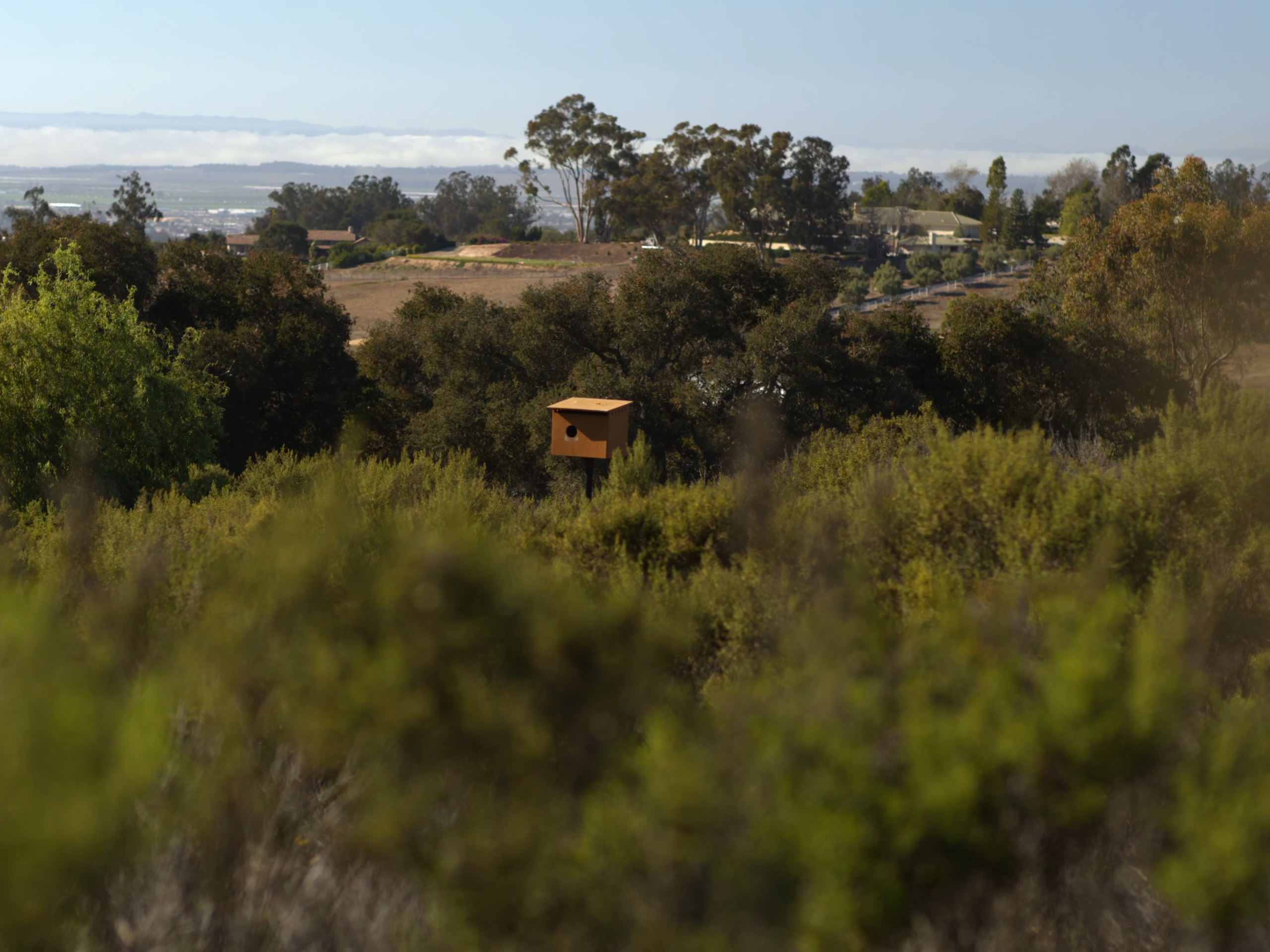
Letting nature do its job.
Instead of relying heavily on rodenticides or pesticides, we focus on building an ecosystem that can keep itself balanced. Owl boxes and hawk perches support natural rodent control, while annual beneficial insect releases help manage vineyard pests more naturally. (Yep, we intentionally bring bugs to the vineyard.)
In the end, all our animals are the ideal vineyard coworkers, and we couldn’t be happier.
Powering the land.
The equipment and systems that work behind the scenes are equally important in thoughtful farming. That’s why we were early adopters of the Monarch electric tractor, helping cut back on unnecessary emissions during routine vineyard work.
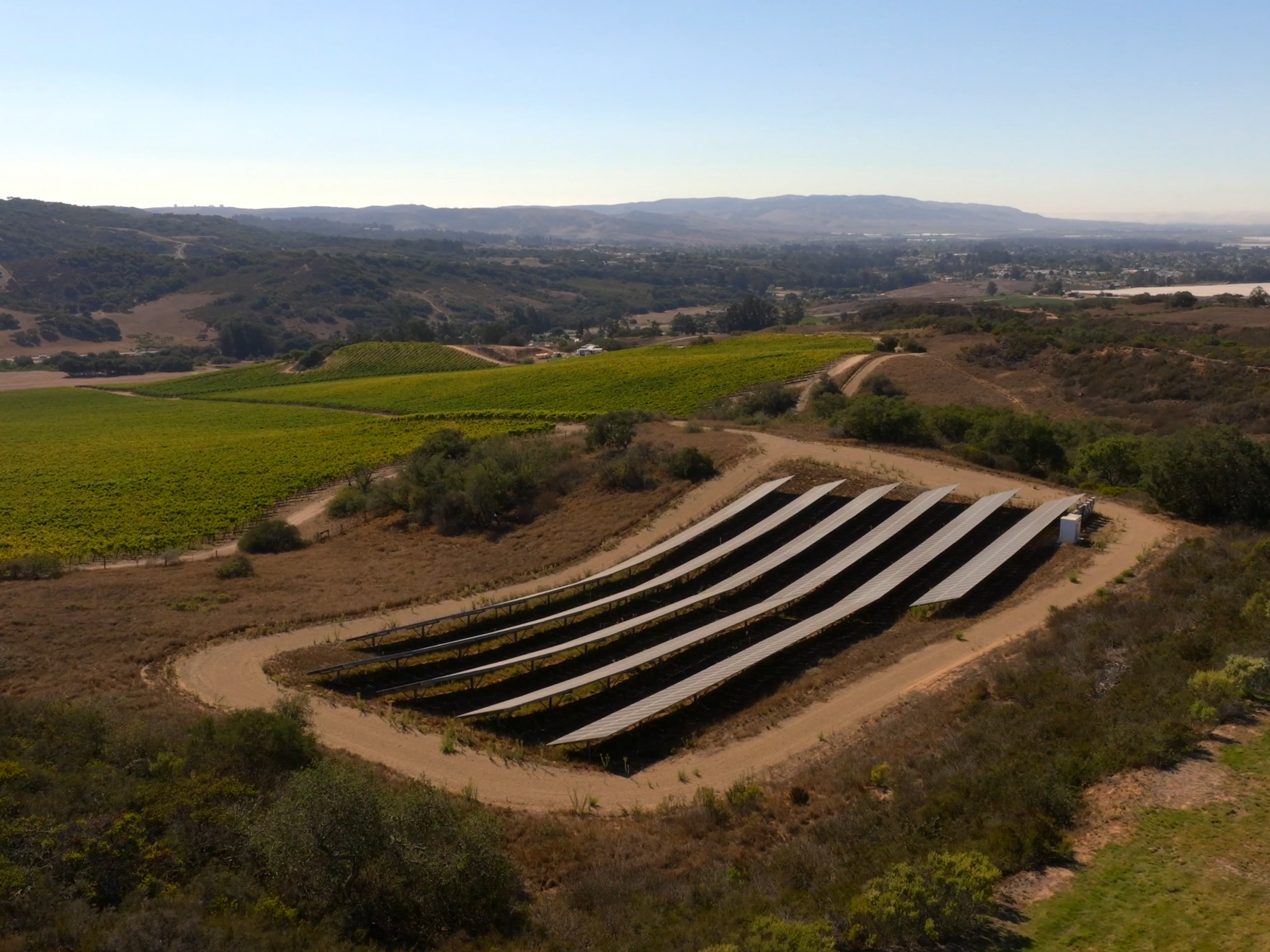
Across the property, our solar field powers key parts of the winery, including the booster pump for irrigation. We also use bird lasers to help protect the fruit, without having to rely on miles of plastic netting. (Don’t worry – the birds aren’t harmed. They’re just encouraged to eat elsewhere.)
The bigger picture.
Everything here is connected: soil health influences the vines, biodiversity supports pest management, and energy choices shape the future of Presqu’ile. The goal isn’t perfection; it’s about making conscious, consistent choices that support our land and the wines that come from it.