-
-
-
2014 Vintage
Orchard Fruit – Fresh – Balanced
-
Made in Santa Maria Valley
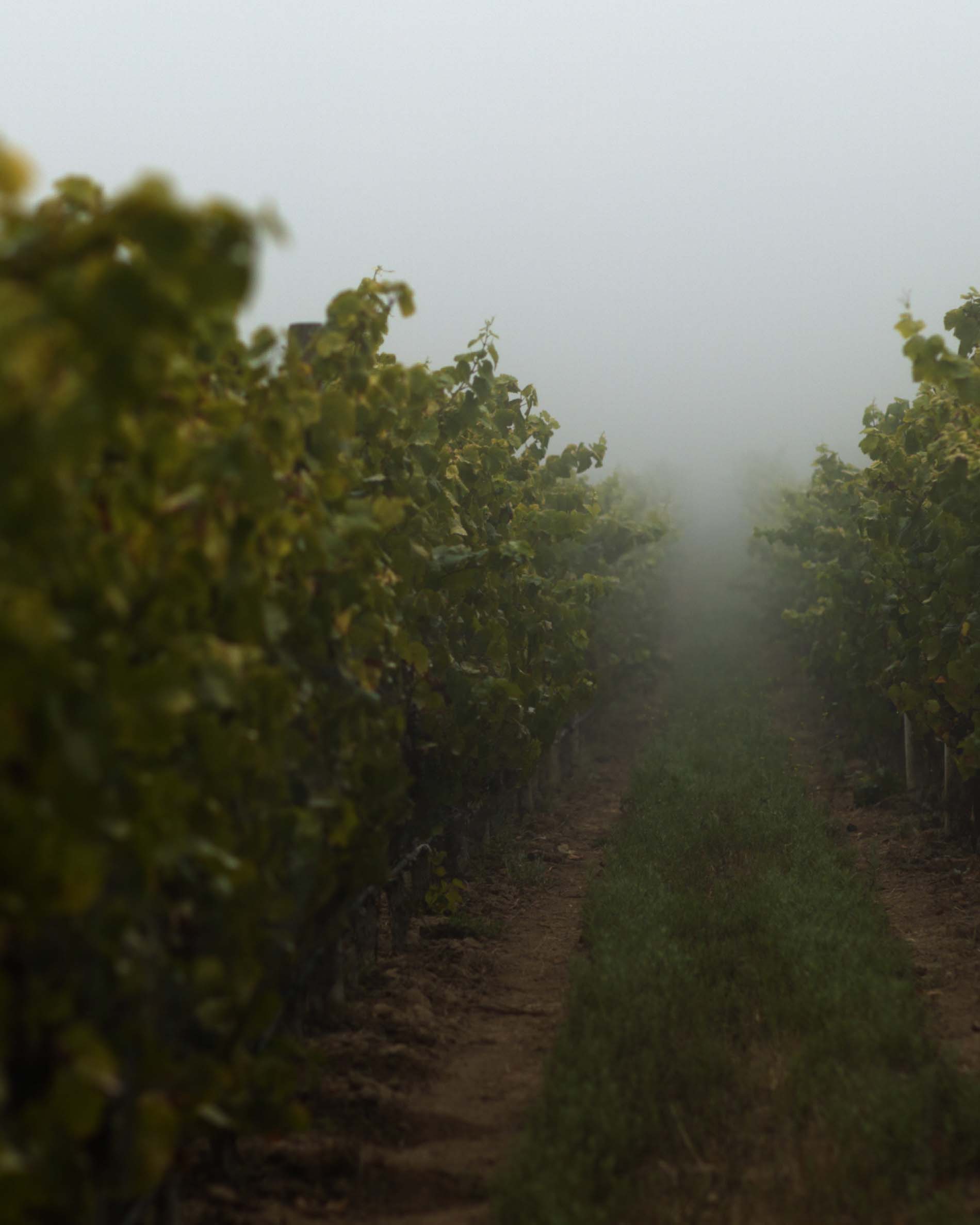
Each vintage, winemaker Dieter Cronje tastes through blocks across the Santa Maria Valley, from windswept coastal sites to warmer vineyards farther inland, and blends his favorites to craft the “ultimate” expression of the region. The vineyards change every harvest, so each bottle captures the spirit of the valley in a single season.
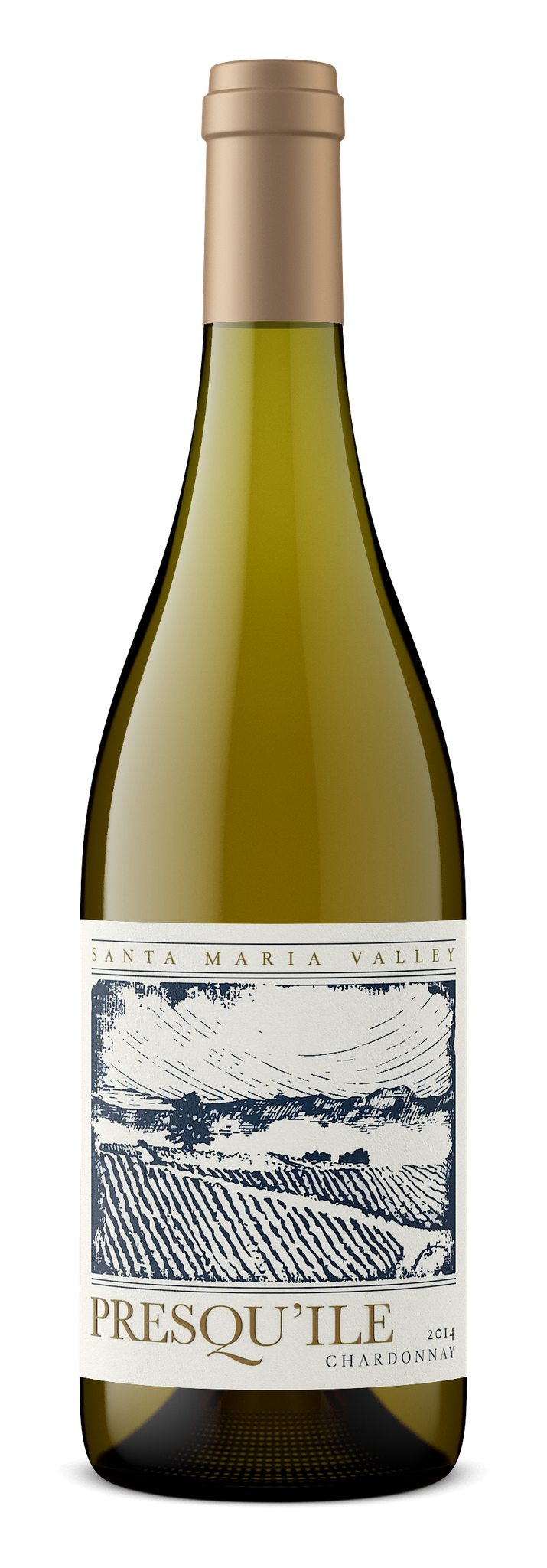
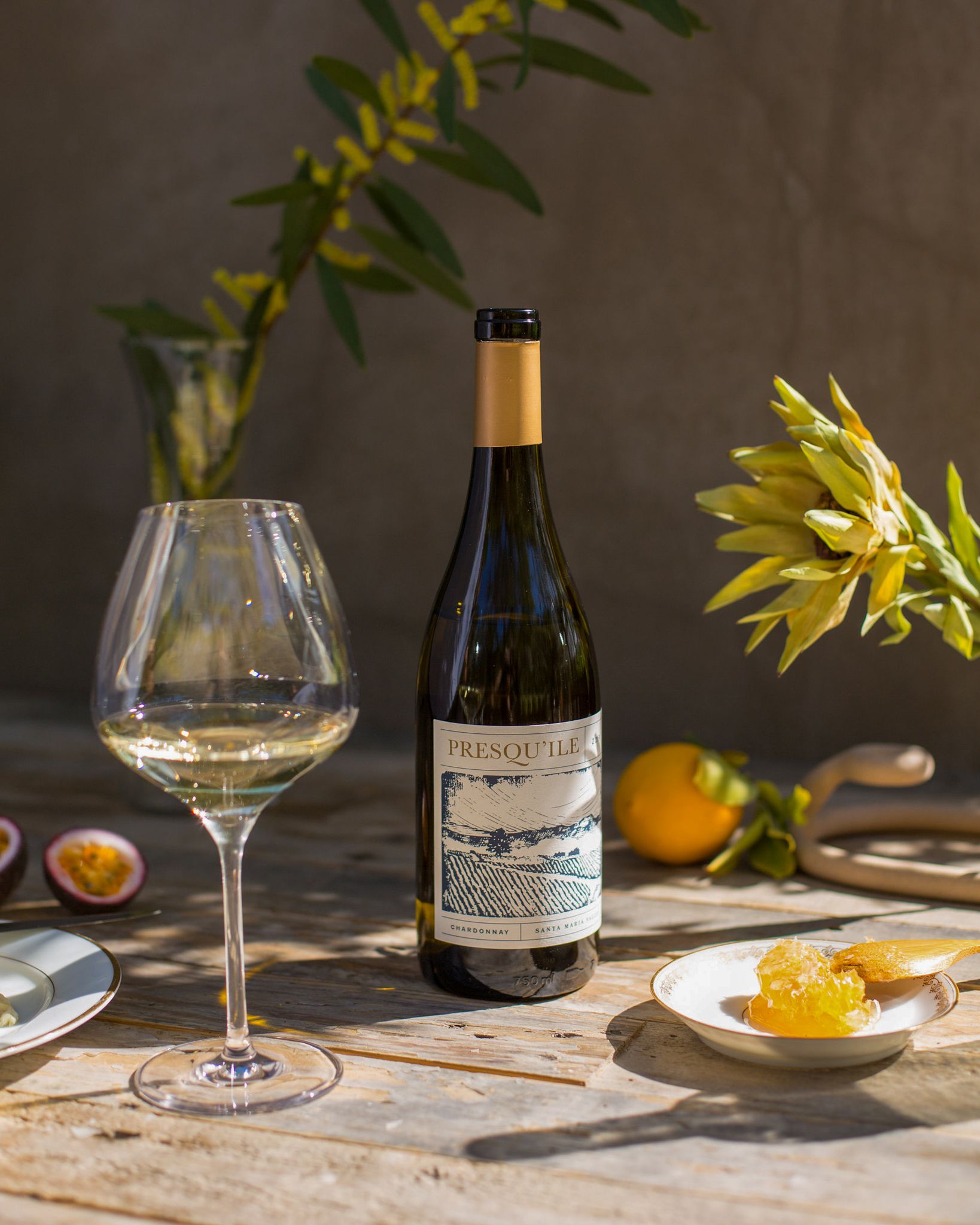
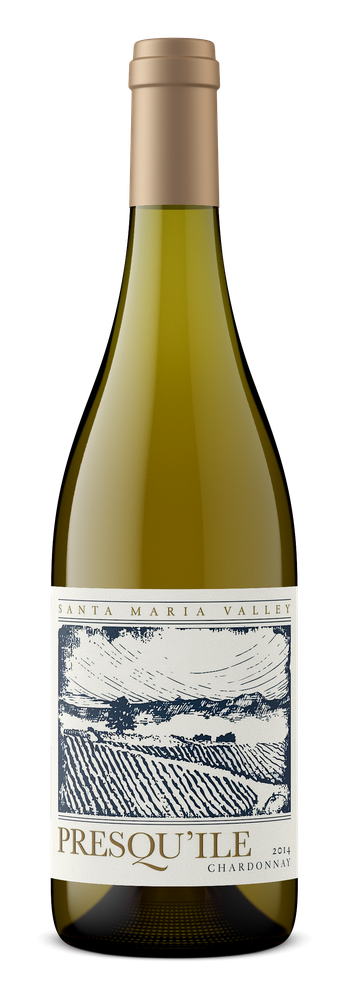
2014 Santa Maria Valley Chardonnay
Santa Maria Valley, CA
$56 Each
- Light & Bright
- Chillable
How It Tastes
Bright and nicely focused, with lemon peel, white flowers, and almond up front. The style is soft, open-knit, and gracious. A decade in bottle has added tertiary character (those are the nice toasty warming honeyed notes) and it’s drinking beautifully now.
Varietal Composition
100% estate Chardonnay
Join the Club & Save
Learn more about the Wine Club- $20 Flat Rate Shipping
- Up to 20% off your entire order
- Get this bottle for $44.80
Shipping Estimate
- 1 Bottle $25
- 3 Bottles $35
- 6 Bottles $45
- 12+ Bottles Free
Estimate only. Based on ground shipping for the state selected. Final shipping is calculated at checkout.
Description
93 points
"Light and clean aromas of Asian pear, pear blossoms, apple flesh and white flowers show on the nose of this bottling from a property on the far western edge of the maritime appellation. Bright acidity presents flavors of lime, green apples, Anjou pear flesh and a touch of kiwi, with savory sea-salt touches."
Food Pairings
-
Soft Cheeses
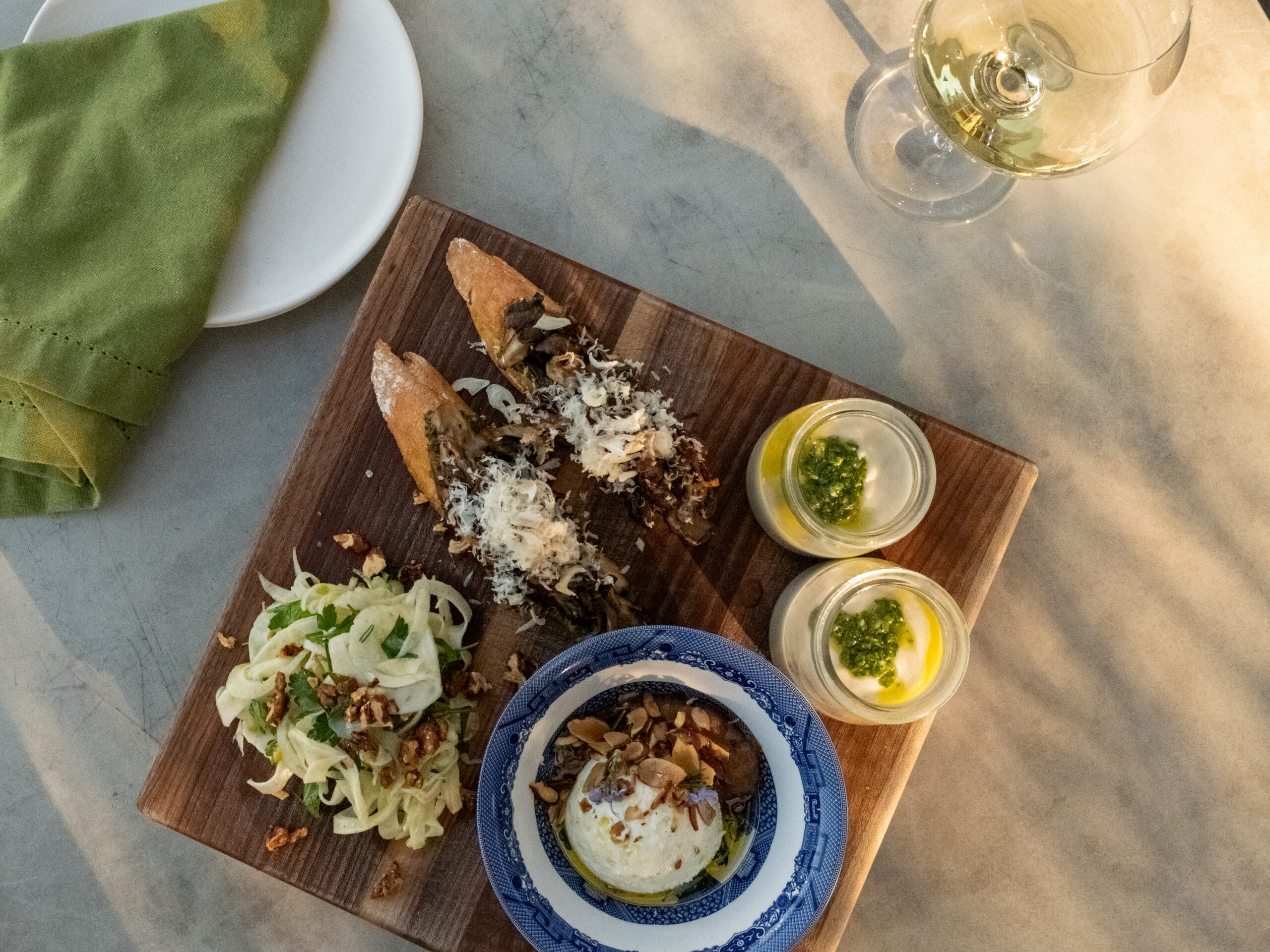
Mild and creamy textures let the wine's balance lead without anything getting lost. Here is where we reach for things like a baked brie or fresh burrata.
-
Delicate Proteins
Here the wine's freshness and acidity can brighten a dish, the same way a squeeze of lime does. Think something like a Quiche Lorraine, or a simply-prepared line-caught halibut.
-
Lighter Pasta Dishes
Olive oil or light cream-based sauces will complement the fruit and freshness found in this Chardonnay, without competing with it. A simple linguine with clams or pasta primavera would be a great complement.
Tech Specs
-
Composition
100% estate Chardonnay
-
Fermentation
Native yeast
-
Élevage
12 months in neutral French oak, finished 6 months in stainless steel
-
pH
3.41
-
Titratable Acid
7.5
-
Alcohol by Volume
13.9%
-
Clones
131, 124, 76, 4, 96, 95
Fermentation
Native yeast
pH
3.41
About pH
Acidity is one of four building blocks of wine, along with tannin, alcohol, and sweetness. It’s also a big reason a wine works with food. When we share a wine’s pH, we’re giving you a hint about where it sits: energetic and linear on one end, soft and round on the other, with most wines landing somewhere in between.
pH stands for “potential of hydrogen,” and it measures how strong an acid is. The scale runs from 0 to 14, and the lower the number, the more hydrogen ions and the more acidic the liquid. Lemon juice sits around 2 to 3. Orange juice sits around 3 to 4. Most wines fall between about 3 and 4.
The scale is logarithmic, so each full point is a tenfold jump. That’s why lemon juice tastes so much sharper than orange juice. Small changes matter less: a wine at 3.5 has about a quarter more hydrogen ions than one at 3.6, and you’re unlikely to taste the difference.
A few other things shape how acid comes across:
- The type of acid: Wine’s main acids are tartaric, malic, and lactic. Tartaric is the strongest. Malic and lactic release fewer ions for their weight, so they read softer.
- Sweetness: Cola and lemon juice have nearly the same pH, but cola’s sugar makes it taste far less tart.
- The growing season: Warmer years usually mean higher pH. Hot nights during ripening burn off malic acid in the grapes, which is why the cool evenings and fog at our site matter so much.
- Aging: Acidity helps a wine hold up over time.
All of that said, take the numbers with a grain of salt. What matters most is how much you enjoy what’s in your glass.
For reference
Titratable Acid
7.5
About total acidity
If pH tells you how strong the acid is, TA tells you how much of it there is. Total acidity measures the concentration of acid in the wine, in grams per liter (g/L). The higher the number, the more acid is packed in.
The two work together. A wine at 6 g/L TA and a pH of 3.2 will taste more acidic than a wine at 4 g/L with the same pH, because there’s simply more acid in each sip. As a general rule, sparkling wines have the most, then whites, then reds.
Alcohol by Volume
13.9%
About alcohol
Alcohol comes from sugar. During fermentation, yeast eats the sugar in the grapes and turns it into alcohol, so the riper and sweeter the grapes at harvest, the higher the alcohol in the glass. Alcohol shapes body and warmth: lower-alcohol wines feel lighter and brisker, higher-alcohol wines feel fuller and rounder. Cool sites like ours tend to ripen grapes slowly, which keeps alcohol in check.

Behind the Label
More Presqu'ile Chardonnay
See all Chardonnays
More Presqu'ile ChardonnaySee all Chardonnays |
 |
 |
 |
|---|---|---|---|
| Name |
2014 Santa Maria Valley Chardonnay Santa Maria Valley, CA |
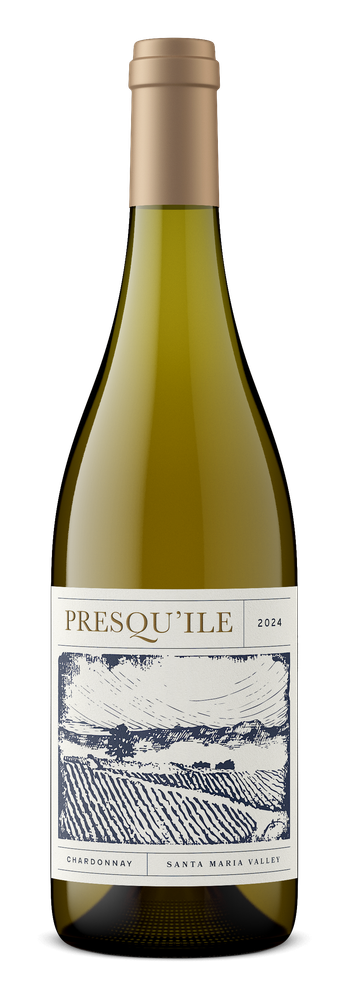
2024 Santa Maria Valley Chardonnay Santa Maria Valley, CA |
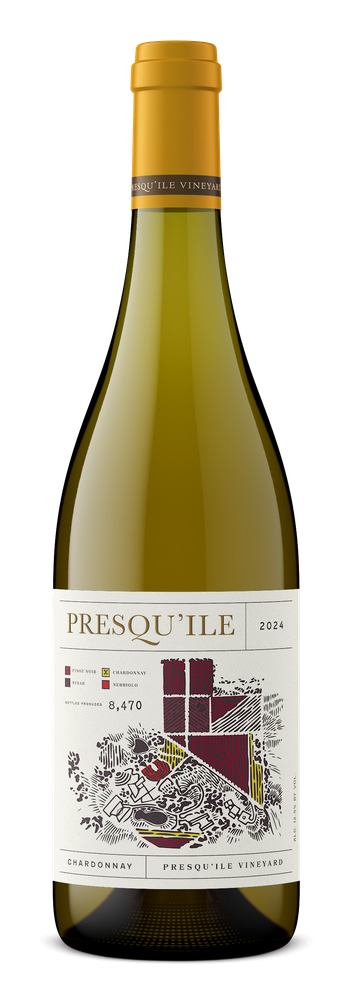
2024 Presqu'ile Vineyard Estate Chardonnay Santa Maria Valley, CA |
| Price | $56 750ml | $42 750ml | $55 750ml |
| Tasting Notes |
Tasting Notes
Orchard Fruit, Fresh, Balanced |
Tasting Notes
Orchard Fruit, Fresh, Balanced |
Tasting Notes
White Peach, Toasted Oak, Elegant |
| Pair With |
Pair With
Soft Cheeses, Delicate Proteins, Lighter Pasta Dishes |
Pair With
Soft Cheeses, Delicate Proteins, Lighter Pasta Dishes |
Pair With
Roasted Poultry, Butter and Cream-Based Sauces, Semi-Soft Cheeses |
| Actions | Currently viewing |
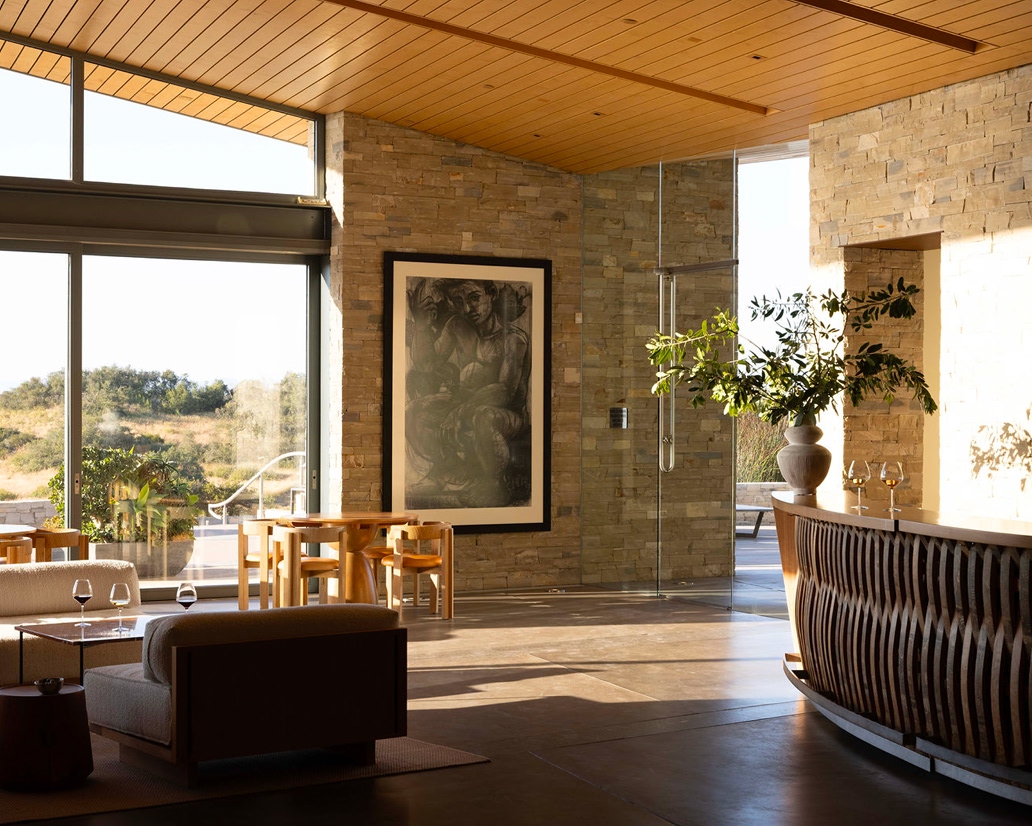
Sip with a view.
There’s just something extra special about enjoying a glass of wine with panoramic views of the Santa Maria Valley (and some great company).
Come say hi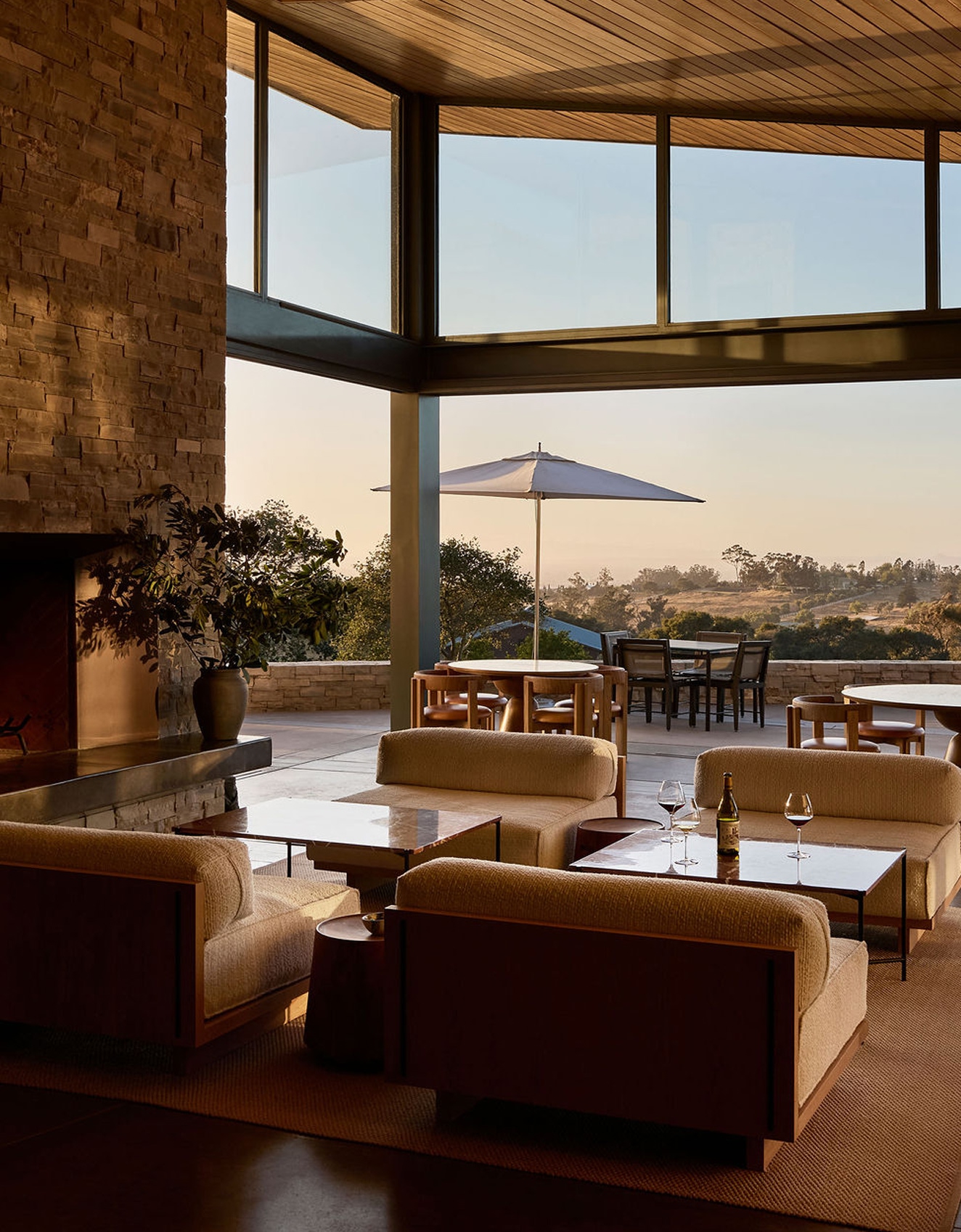
Understanding Points
How This Impacts Flavor
Think of wine scores like a critic’s rating for a film. While taste is subjective, these points represent a standard of quality, complexity, and aging potential agreed upon by the industry’s leading palates.
Here is how the 100-point scale translates to the bottle in your hand.
How To Use Points
Expert Consensus
A score in the 90+ range across multiple publications is a strong signal of a high-quality vintage.
Find Your Palate
If you're not too sure where to start, scores can be a good indicator that someone other than us thinks a wine is particularly good.
Cellar Life
Generally, a higher score suggests the structure required for a wine to evolve and improve over the next 5 to 10 years.