-
-
-
2025 Vintage
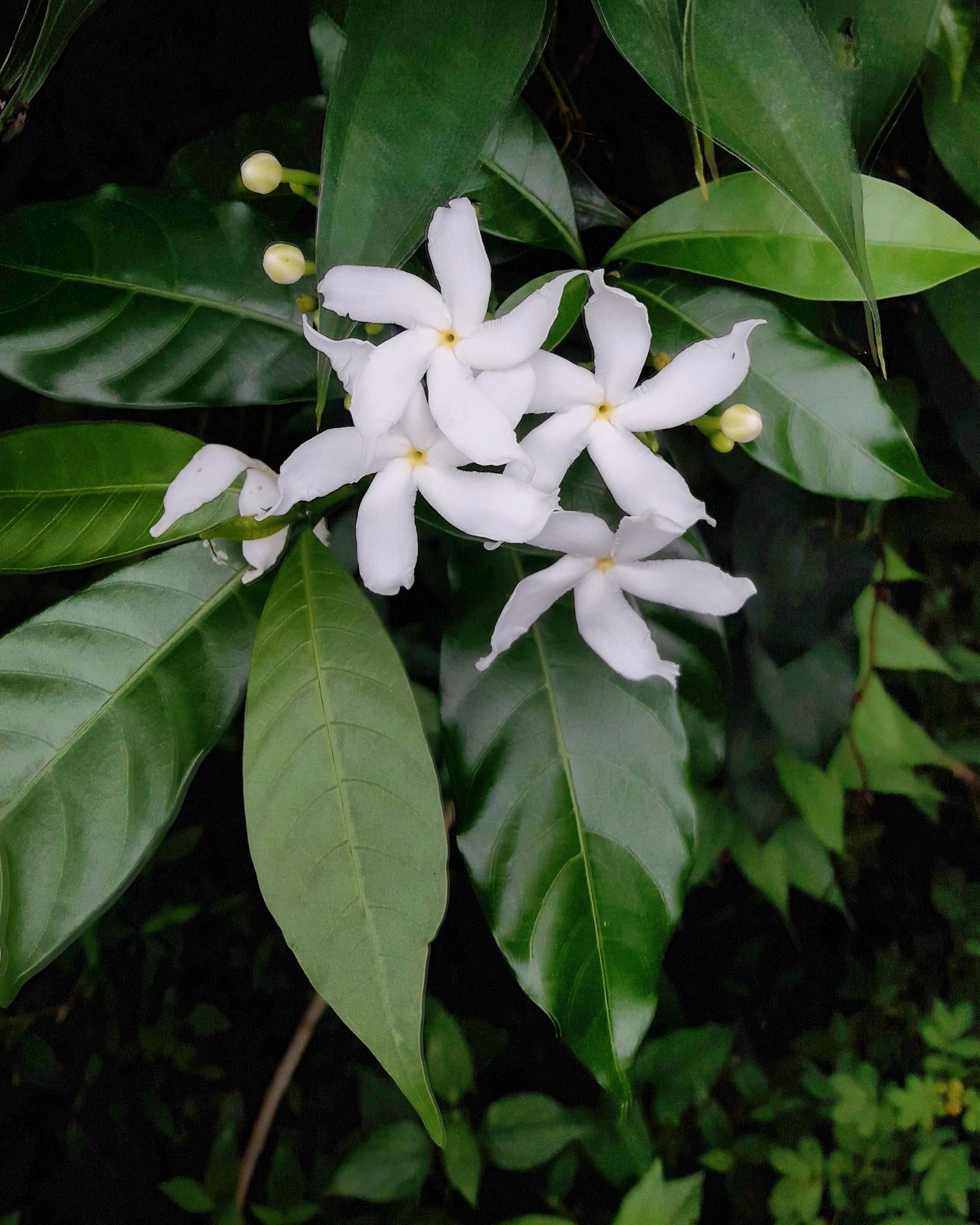
Sea-Spray – Jasmine – Yellow Apple
-
Made in Santa Maria Valley
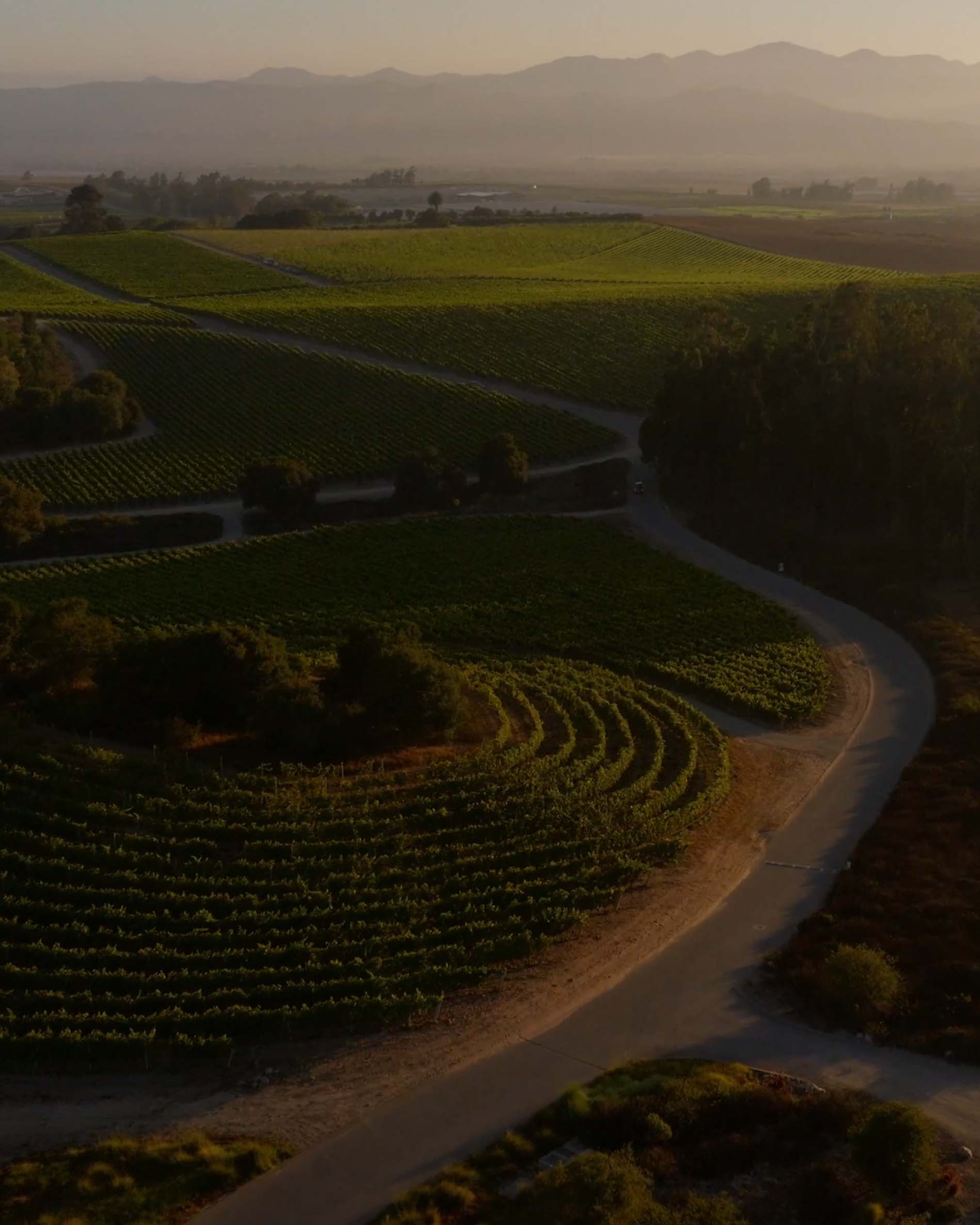
The Presqu’ile Vineyard is situated in the heart of the Santa Maria Valley, where the transverse nature of the mountains allows cool Pacific air to flow inland. This creates the perfect conditions for Pinot Noir to ripen slowly, developing intense complexity while maintaining remarkable acidity.
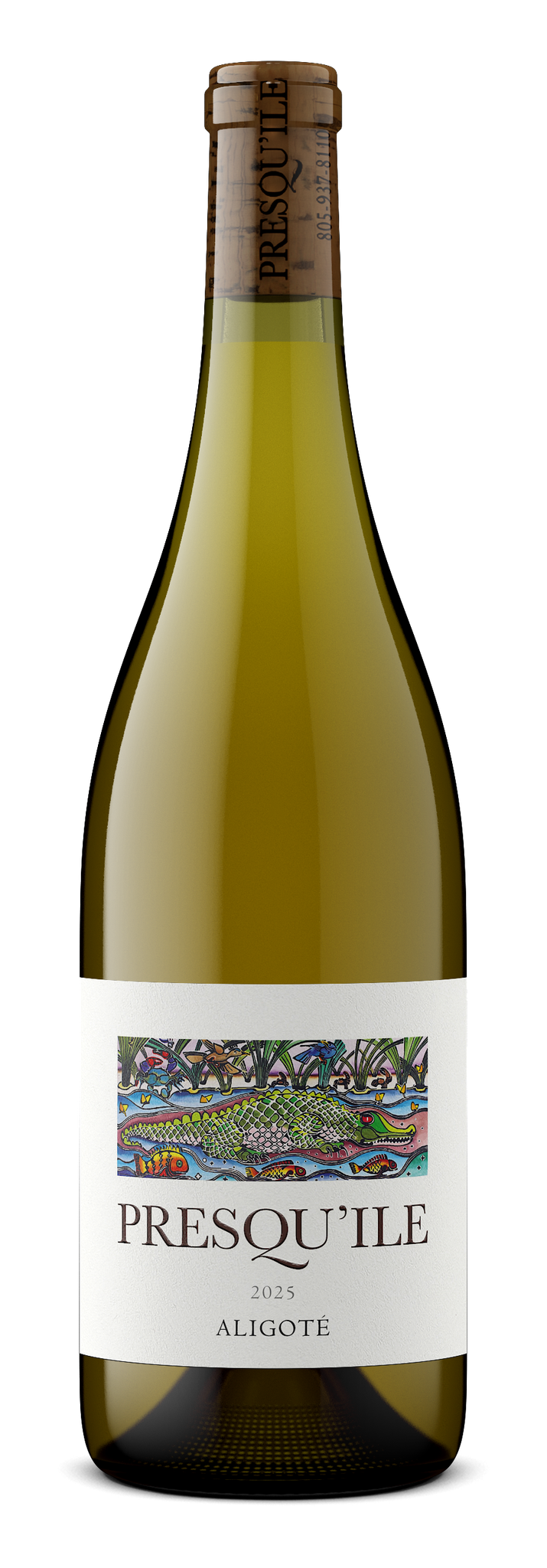
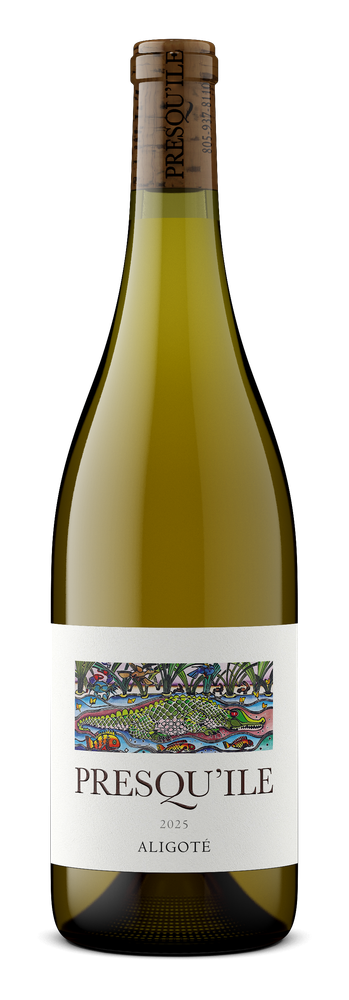
2025 Aligoté
Santa Maria Valley, CA
$38 750ml
- Mineral
- Chillable
How It Tastes
Lemon peel and ripe pear jump out at us from the glass, with the white flower and sea spray character this wine is known for running underneath. We find this vintage to be a touch softer on the salinity than previous vintages. Toothy acidity with a clean, bracing finish.
Varietal Composition
Aligoté
Join the Club & Save
Learn more about the Wine Club- $20 Flat Rate Shipping
- Up to 20% off your entire order
- Get this bottle for $30.40
Shipping Estimate
- 1 Bottle $25
- 3 Bottles $35
- 6 Bottles $45
- 12+ Bottles Free
Estimate only. Based on ground shipping for the state selected. Final shipping is calculated at checkout.
Description
Food Pairings
-
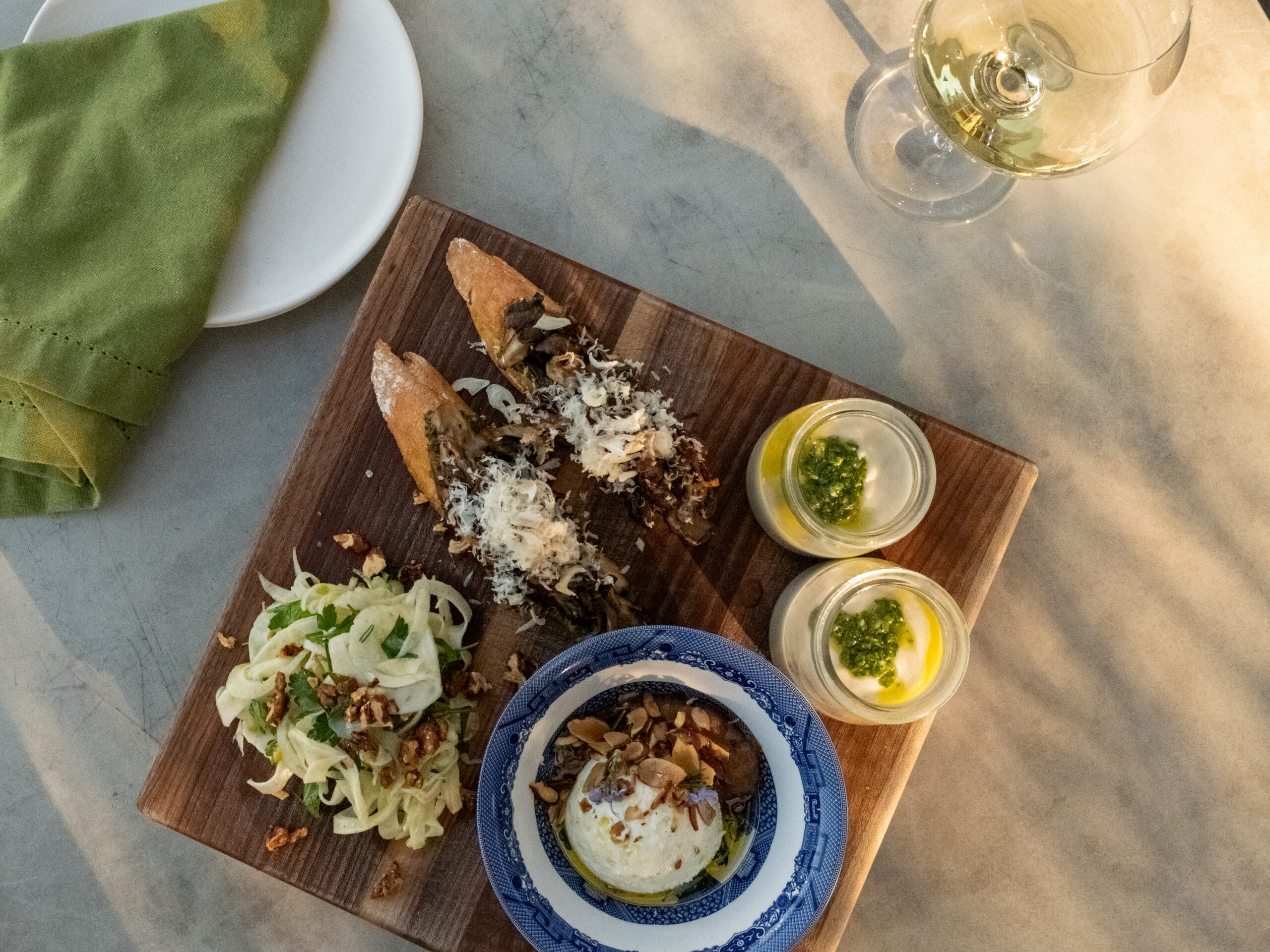
Butter and Cream Sauces
This wine has enough weight to hold up to the richness of dishes with heavy cream and butter at the forefront without disappearing. Its acidity will keep the dairy fats in check, and from feeling overly heavy.
-
Rich Seafood Dishes
The wine's brininess mirrors the salinty of the sea. Oysters, roasted scallops, and butter-poached lobster are natural pairings that will deepen your flavor experience.
-
Spicy Cuisine
The wine's floral notes and sharp acidity provide contrast to heat and spice, keeping your palate refreshed and ready for the next bite.
Tech Specs
-
Composition
Aligoté
-
Fermentation
100% stainless steel
-
Élevage
55% neutral French oak, 35% neutral Austrian oak, 10% new French oak
-
pH
3.48
-
Titratable Acid
6.0 g/L
-
Alcohol by Volume
12%
-
Rootstock
Own root
Élevage
55% neutral French oak, 35% neutral Austrian oak, 10% new French oak
About aging vessels
After fermentation, wine spends time resting before it’s bottled, and what it rests in shapes how it tastes. Vessels differ in two main ways: whether they add flavor, and how much oxygen they let in. A little oxygen softens tannins and rounds out texture. Wood can add spice, toast, and vanilla. Steel and concrete add nothing at all. Winemakers choose a vessel based on what they want the wine to keep, and what they want it to gain.
pH
3.48
About pH
Acidity is one of four building blocks of wine, along with tannin, alcohol, and sweetness. It’s also a big reason a wine works with food. When we share a wine’s pH, we’re giving you a hint about where it sits: energetic and linear on one end, soft and round on the other, with most wines landing somewhere in between.
pH stands for “potential of hydrogen,” and it measures how strong an acid is. The scale runs from 0 to 14, and the lower the number, the more hydrogen ions and the more acidic the liquid. Lemon juice sits around 2 to 3. Orange juice sits around 3 to 4. Most wines fall between about 3 and 4.
The scale is logarithmic, so each full point is a tenfold jump. That’s why lemon juice tastes so much sharper than orange juice. Small changes matter less: a wine at 3.5 has about a quarter more hydrogen ions than one at 3.6, and you’re unlikely to taste the difference.
A few other things shape how acid comes across:
- The type of acid: Wine’s main acids are tartaric, malic, and lactic. Tartaric is the strongest. Malic and lactic release fewer ions for their weight, so they read softer.
- Sweetness: Cola and lemon juice have nearly the same pH, but cola’s sugar makes it taste far less tart.
- The growing season: Warmer years usually mean higher pH. Hot nights during ripening burn off malic acid in the grapes, which is why the cool evenings and fog at our site matter so much.
- Aging: Acidity helps a wine hold up over time.
All of that said, take the numbers with a grain of salt. What matters most is how much you enjoy what’s in your glass.
For reference
Titratable Acid
6.0 g/L
About total acidity
If pH tells you how strong the acid is, TA tells you how much of it there is. Total acidity measures the concentration of acid in the wine, in grams per liter (g/L). The higher the number, the more acid is packed in.
The two work together. A wine at 6 g/L TA and a pH of 3.2 will taste more acidic than a wine at 4 g/L with the same pH, because there’s simply more acid in each sip. As a general rule, sparkling wines have the most, then whites, then reds.
Alcohol by Volume
12%
About alcohol
Alcohol comes from sugar. During fermentation, yeast eats the sugar in the grapes and turns it into alcohol, so the riper and sweeter the grapes at harvest, the higher the alcohol in the glass. Alcohol shapes body and warmth: lower-alcohol wines feel lighter and brisker, higher-alcohol wines feel fuller and rounder. Cool sites like ours tend to ripen grapes slowly, which keeps alcohol in check.
Rootstock
Own root

Behind the Label
More Presqu'ile Whites
See all White Wines & Rosés
More Presqu'ile WhitesSee all White Wines & Rosés |
 |
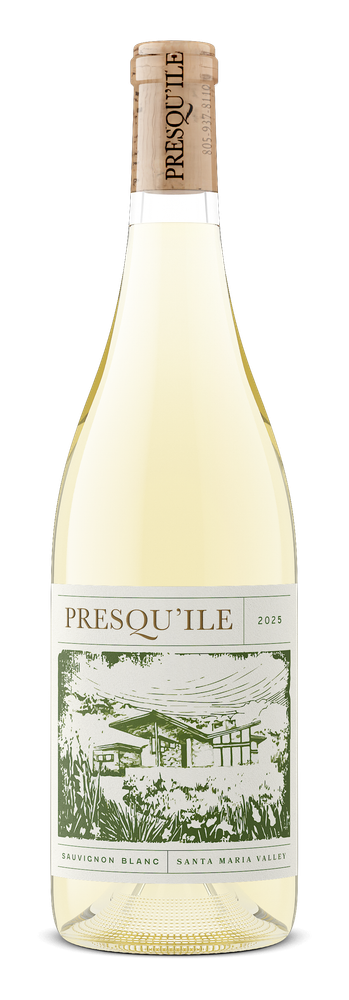 |
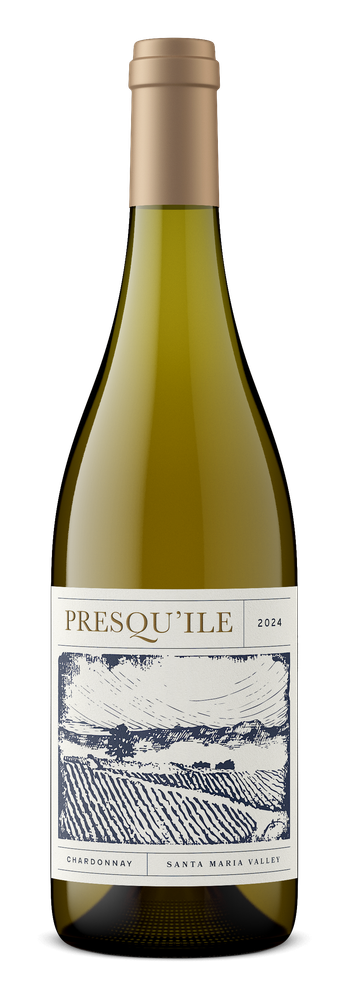 |
|---|---|---|---|
| Name |
2025 Aligoté Santa Maria Valley, CA |
Santa Maria Valley, CA |
2024 Santa Maria Valley Chardonnay Santa Maria Valley, CA |
| Price | $38 750ml | $30 750ml | $42 750ml |
| Tasting Notes |
Tasting Notes
Sea-Spray, Jasmine, Yellow Apple |
Tasting Notes
Citrus, Mineral, Crisp |
Tasting Notes
Orchard Fruit, Fresh, Balanced |
| Pair With |
Pair With
Butter and Cream Sauces, Rich Seafood Dishes, Spicy Cuisine |
Pair With
Fresh Seafood, Spicy Cuisine, Light & Herb-Forward Dishes |
Pair With
Soft Cheeses, Delicate Proteins, Lighter Pasta Dishes |
| Actions | Currently viewing |
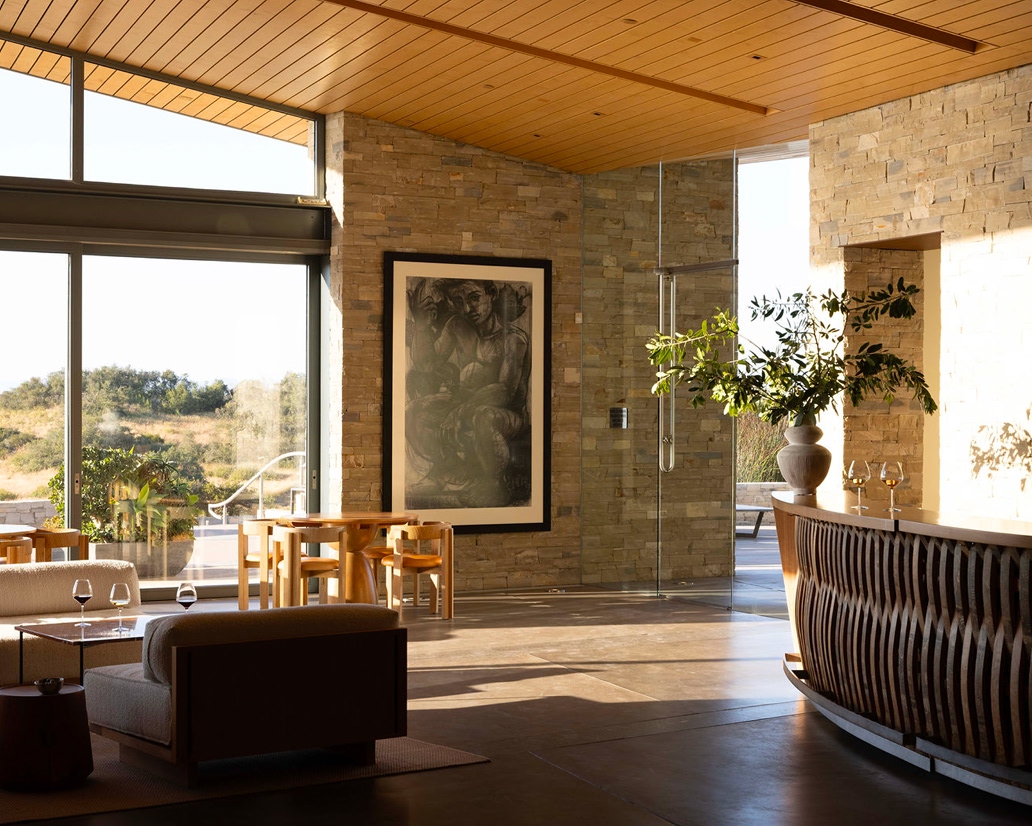
Sip with a view.
There’s just something extra special about enjoying a glass of wine with panoramic views of the Santa Maria Valley (and some great company).
Come say hi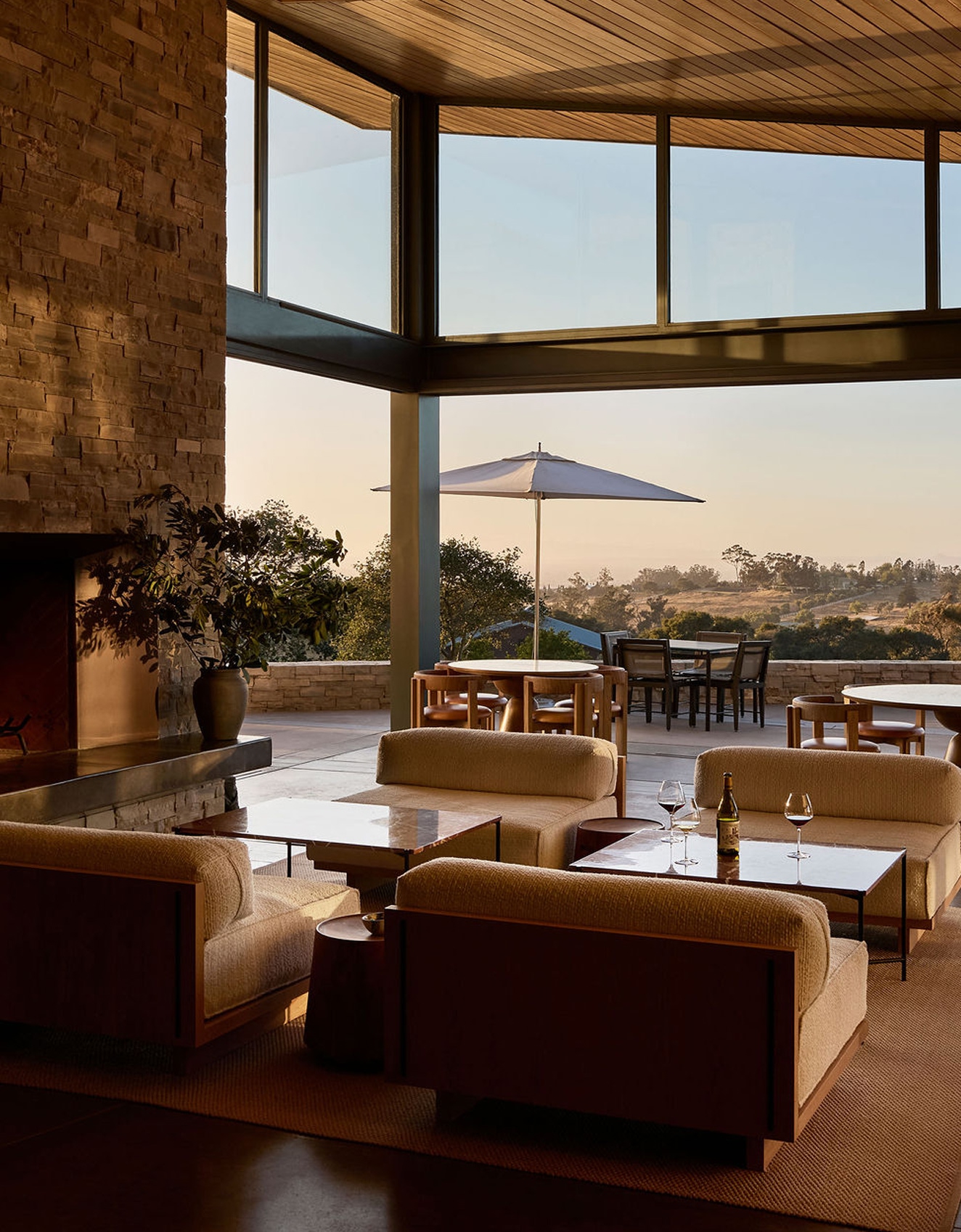
Understanding Points
How This Impacts Flavor
Think of wine scores like a critic’s rating for a film. While taste is subjective, these points represent a standard of quality, complexity, and aging potential agreed upon by the industry’s leading palates.
Here is how the 100-point scale translates to the bottle in your hand.
How To Use Points
Expert Consensus
A score in the 90+ range across multiple publications is a strong signal of a high-quality vintage.
Find Your Palate
If you're not too sure where to start, scores can be a good indicator that someone other than us thinks a wine is particularly good.
Cellar Life
Generally, a higher score suggests the structure required for a wine to evolve and improve over the next 5 to 10 years.