-
-
-
2024 Vintage
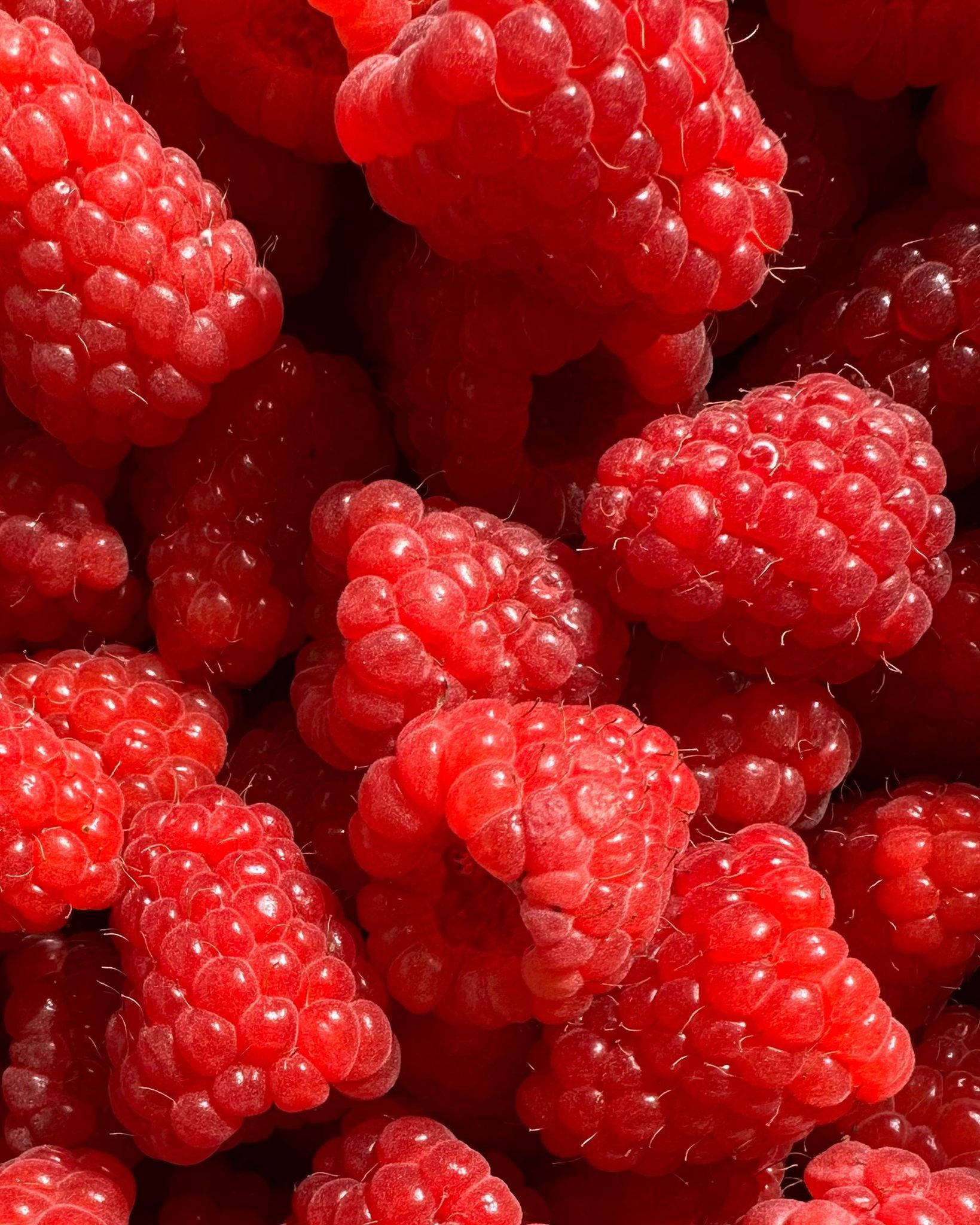
Bing Cherry – Raspberry – Elegant
-
Made in Santa Maria Valley
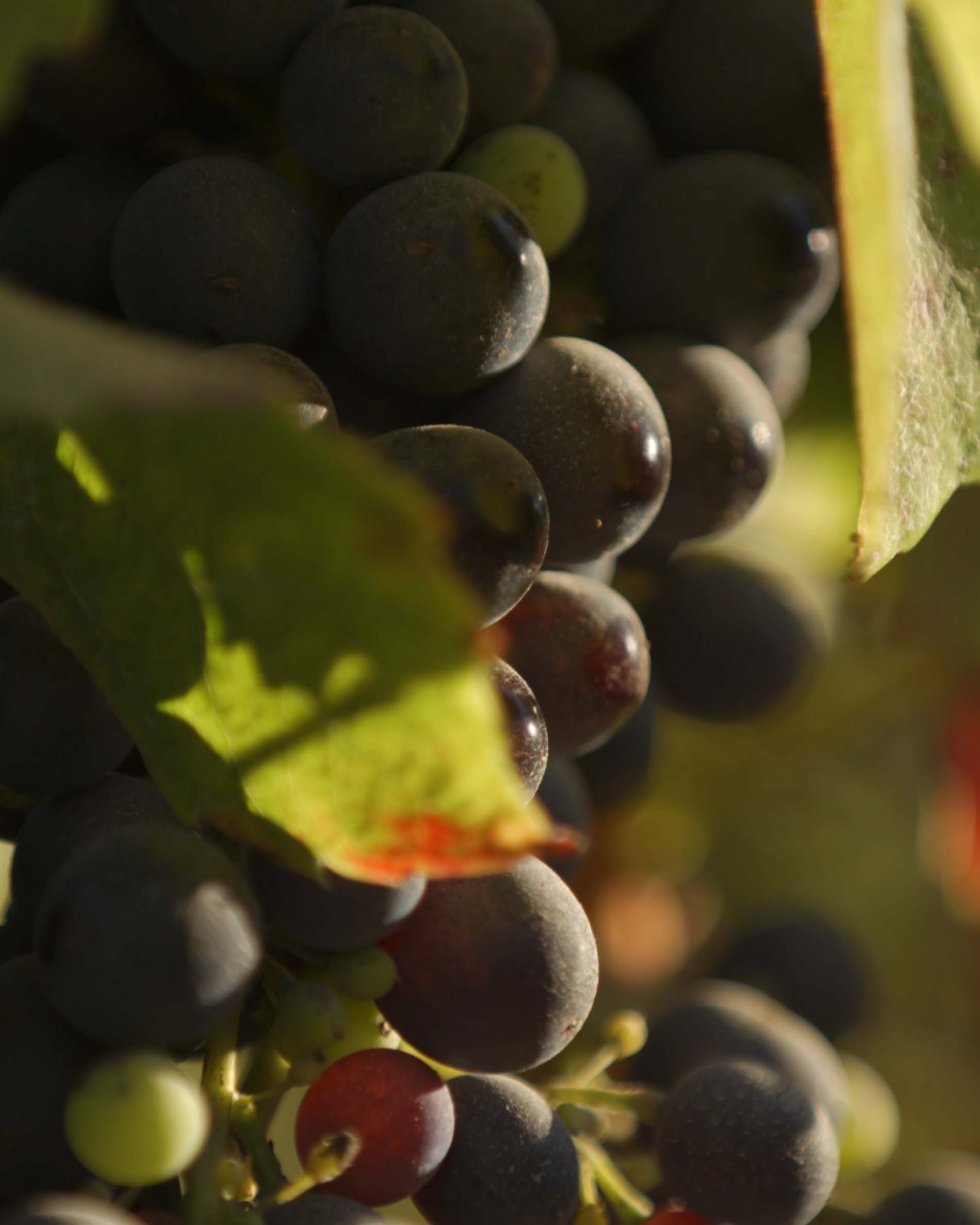
Rancho Ontiveros sits at 700 feet on the southernmost edge of the Santa Maria Valley, where the wind rarely lets up. The Ontiveros family has farmed here for nine generations, and the vines grow in loose Garey sandy loam and Arnold sand that drain fast.
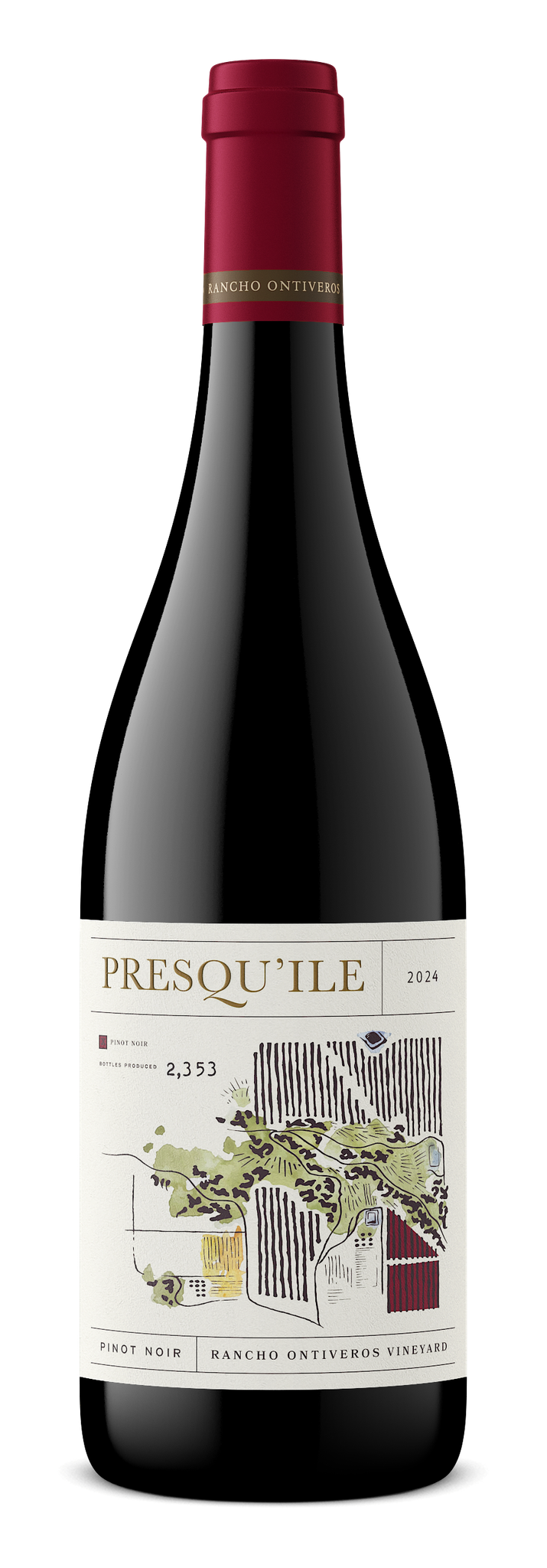
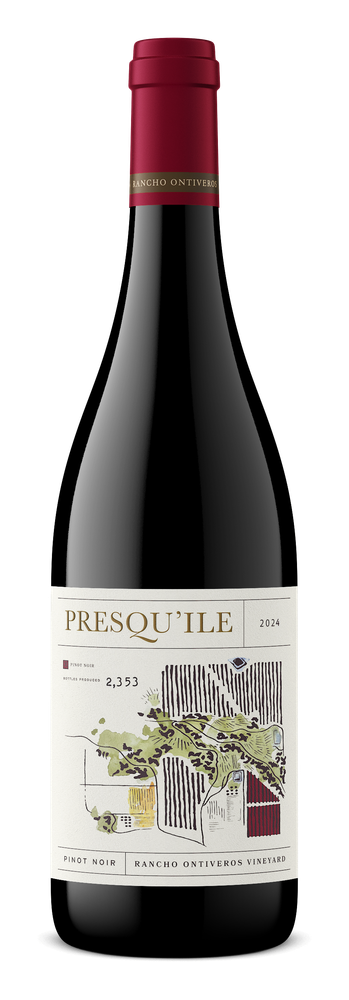
2024 Rancho Ontiveros Vineyard Pinot Noir
Santa Maria Valley, CA
$70 750ml
- Fruit-driven
- Juicy
How It Tastes
Rancho Ontiveros has been farmed by the same family for nine generations. Warm and sun-drenched on the nose (think an oak grove on a Santa Maria afternoon) with a meaty, smoky depth that sets it apart from prior vintages from this site. Rich with Santa Maria spice, rustic, almost whole-cluster character, and more tannin than you might expect from a Pinot Noir. Complex, adventurous, and one of our favorites of the 2024 Pinot Noirs.
Varietal Composition
100% Pinot Noir
Join the Club & Save
Learn more about the Wine Club- $20 Flat Rate Shipping
- Up to 20% off your entire order
- Get this bottle for $56
Shipping Estimate
- 1 Bottle $25
- 3 Bottles $35
- 6 Bottles $45
- 12+ Bottles Free
Estimate only. Based on ground shipping for the state selected. Final shipping is calculated at checkout.
Description
Food Pairings
-
Grilled Proteins
Char and smoke create a slight bitterness that the wine's bright fruit cuts right through. The sweetness of the fruit makes the smoke taste deeper, and the smoke makes the fruit taste brighter.
-
Poultry
Fatty, flavorful birds like duck or squab need a wine with enough presence to stand up. The wine's fruit and elegance match without overwhelming.
-
Mild Charcuterie
The wine's bright fruit makes it an easy companion — nothing too bold, nothing that will fight back. Here we’re reaching for things like a coppa, mortadella, or even a prosciutto.
Tech Specs
-
Composition
100% Pinot Noir
-
Fermentation
100% stainless steel, native yeast
-
Élevage
Aged 11 months in 75% neutral French oak, 25% new French oak. Finished for 6 months in stainless steel.
-
pH
3.87
-
Titratable Acid
5.9 g/L
-
Alcohol by Volume
13.4%
-
Rootstock
101-14
-
Clones
Swan, Mt. Eden
Fermentation
100% stainless steel, native yeast
Élevage
Aged 11 months in 75% neutral French oak, 25% new French oak. Finished for 6 months in stainless steel.
About aging vessels
After fermentation, wine spends time resting before it’s bottled, and what it rests in shapes how it tastes. Vessels differ in two main ways: whether they add flavor, and how much oxygen they let in. A little oxygen softens tannins and rounds out texture. Wood can add spice, toast, and vanilla. Steel and concrete add nothing at all. Winemakers choose a vessel based on what they want the wine to keep, and what they want it to gain.
pH
3.87
About pH
Acidity is one of four building blocks of wine, along with tannin, alcohol, and sweetness. It’s also a big reason a wine works with food. When we share a wine’s pH, we’re giving you a hint about where it sits: energetic and linear on one end, soft and round on the other, with most wines landing somewhere in between.
pH stands for “potential of hydrogen,” and it measures how strong an acid is. The scale runs from 0 to 14, and the lower the number, the more hydrogen ions and the more acidic the liquid. Lemon juice sits around 2 to 3. Orange juice sits around 3 to 4. Most wines fall between about 3 and 4.
The scale is logarithmic, so each full point is a tenfold jump. That’s why lemon juice tastes so much sharper than orange juice. Small changes matter less: a wine at 3.5 has about a quarter more hydrogen ions than one at 3.6, and you’re unlikely to taste the difference.
A few other things shape how acid comes across:
- The type of acid: Wine’s main acids are tartaric, malic, and lactic. Tartaric is the strongest. Malic and lactic release fewer ions for their weight, so they read softer.
- Sweetness: Cola and lemon juice have nearly the same pH, but cola’s sugar makes it taste far less tart.
- The growing season: Warmer years usually mean higher pH. Hot nights during ripening burn off malic acid in the grapes, which is why the cool evenings and fog at our site matter so much.
- Aging: Acidity helps a wine hold up over time.
All of that said, take the numbers with a grain of salt. What matters most is how much you enjoy what’s in your glass.
For reference
Titratable Acid
5.9 g/L
About total acidity
If pH tells you how strong the acid is, TA tells you how much of it there is. Total acidity measures the concentration of acid in the wine, in grams per liter (g/L). The higher the number, the more acid is packed in.
The two work together. A wine at 6 g/L TA and a pH of 3.2 will taste more acidic than a wine at 4 g/L with the same pH, because there’s simply more acid in each sip. As a general rule, sparkling wines have the most, then whites, then reds.
Alcohol by Volume
13.4%
About alcohol
Alcohol comes from sugar. During fermentation, yeast eats the sugar in the grapes and turns it into alcohol, so the riper and sweeter the grapes at harvest, the higher the alcohol in the glass. Alcohol shapes body and warmth: lower-alcohol wines feel lighter and brisker, higher-alcohol wines feel fuller and rounder. Cool sites like ours tend to ripen grapes slowly, which keeps alcohol in check.
Clones
Swan, Mt. Eden
About clones
A clone is a genetic copy of a single vine. Some vines stand out with favorable characteristics, like the size of their berries or clusters, their flavor, or when they ripen. These differences happen naturally, and growers and winemakers hold onto them by taking small pieces, or a cutting, of a vine they like and growing new vines from it. Those new vines carry the same traits as the “parent” vine. We select which clones to work with for two reasons: what will grow well in our soil and climate, and what each one adds to the finished wine.

Behind the Label
More Presqu'ile Pinot Noir
See all Pinot Noirs
More Presqu'ile Pinot NoirSee all Pinot Noirs |
 |
 |
 |
|---|---|---|---|
| Name |
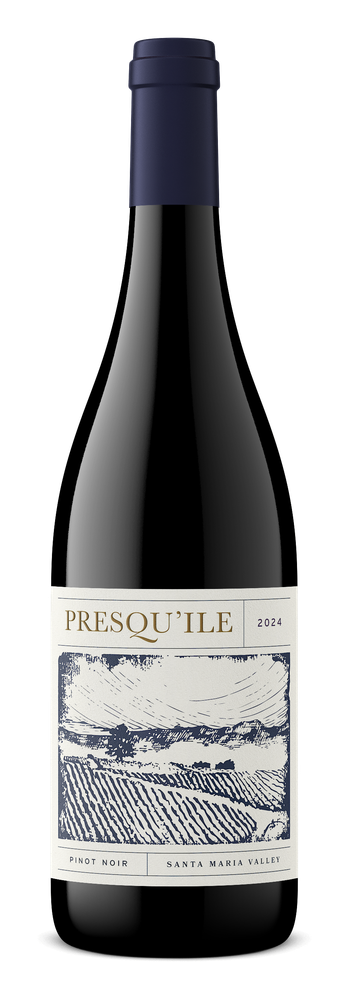
2024 Rancho Ontiveros Vineyard Pinot Noir Santa Maria Valley, CA |
2024 Santa Maria Valley Pinot Noir Santa Maria Valley, CA |
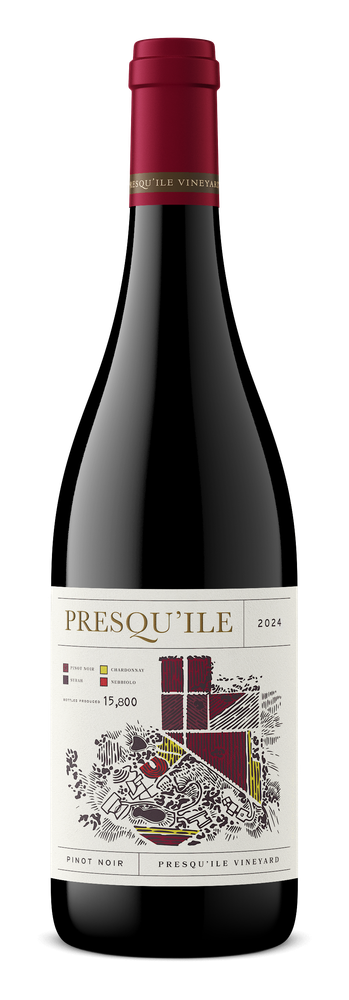
2024 Presqu'ile Vineyard Estate Pinot Noir Santa Maria Valley, CA |
| Price | $70 750ml | $48 750ml | $70 750ml |
| Tasting Notes |
Tasting Notes
Bing Cherry, Raspberry, Elegant |
Tasting Notes
Sarsaparilla, Bing Cherry, Earthy |
Tasting Notes
Chaparral, Potpourri, Bing Cherry |
| Pair With |
Pair With
Grilled Proteins, Poultry, Mild Charcuterie |
Pair With
Soft Cheeses, Charcuterie, Roasted Vegetables |
Pair With
Mushrooms and Truffles, Herb-Crusted Proteins, Tomato-Based Sauces |
| Actions | Currently viewing |
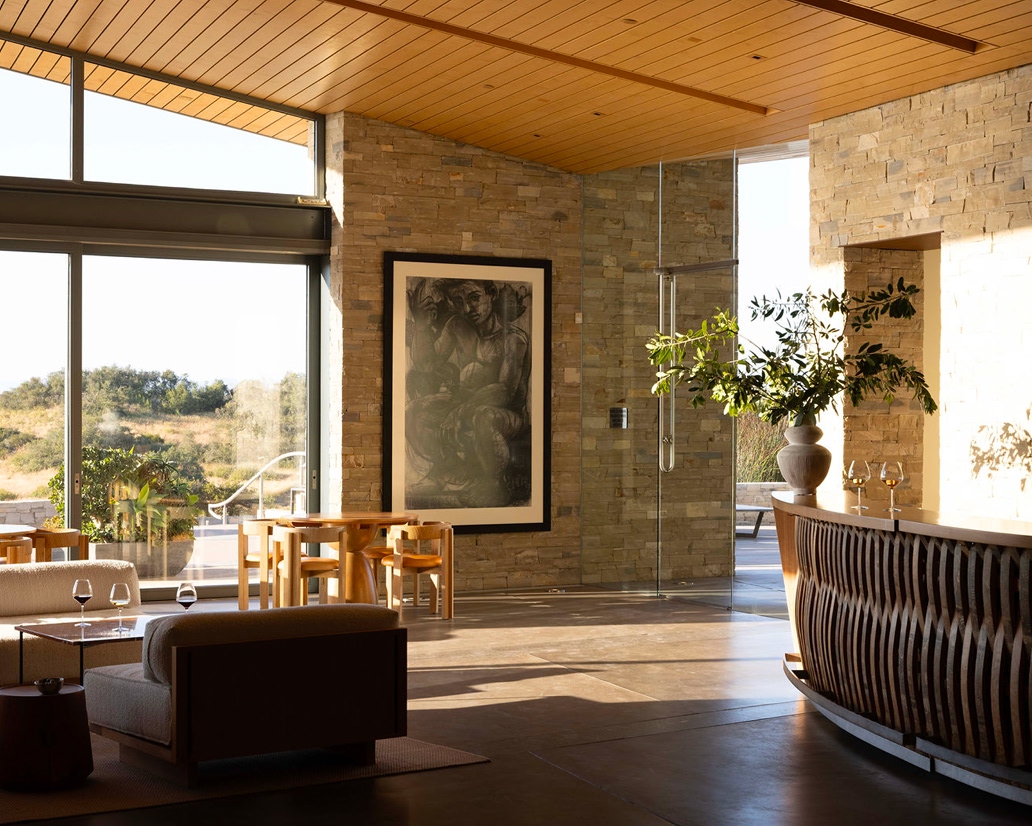
Sip with a view.
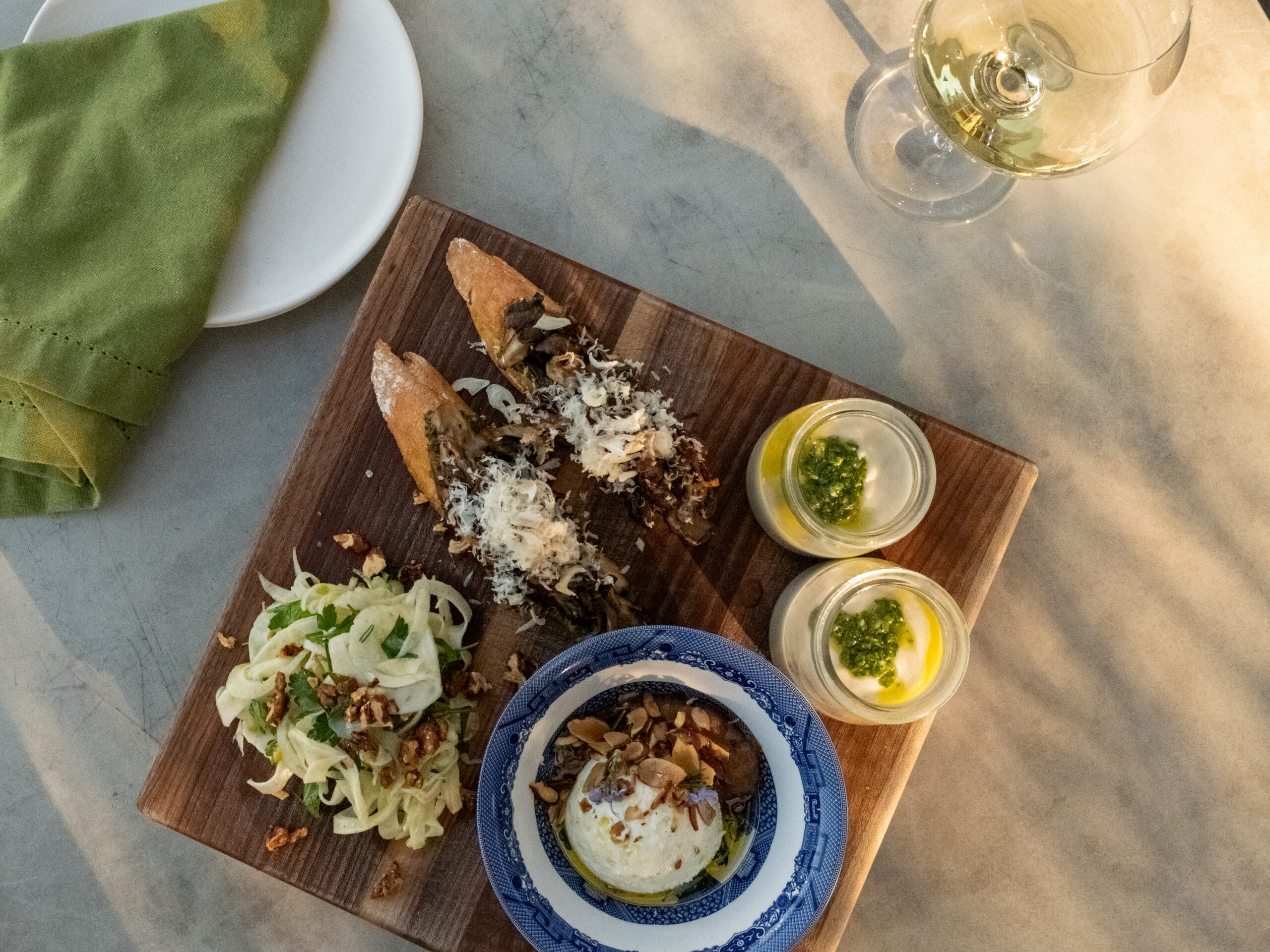
There’s just something extra special about enjoying a glass of wine with panoramic views of the Santa Maria Valley (and some great company).
Come say hi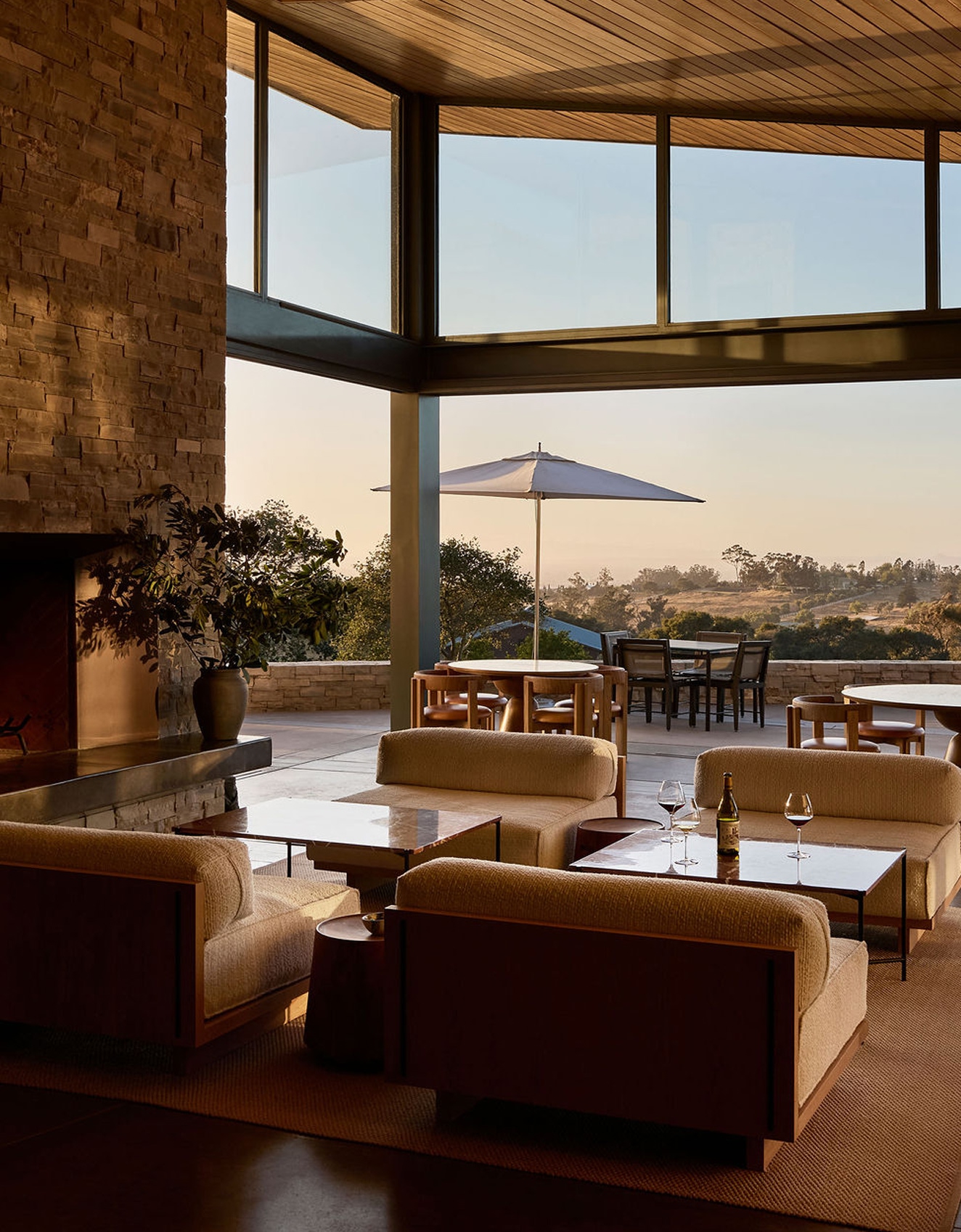
Understanding Points
How This Impacts Flavor
Think of wine scores like a critic’s rating for a film. While taste is subjective, these points represent a standard of quality, complexity, and aging potential agreed upon by the industry’s leading palates.
Here is how the 100-point scale translates to the bottle in your hand.
How To Use Points
Expert Consensus
A score in the 90+ range across multiple publications is a strong signal of a high-quality vintage.
Find Your Palate
If you're not too sure where to start, scores can be a good indicator that someone other than us thinks a wine is particularly good.
Cellar Life
Generally, a higher score suggests the structure required for a wine to evolve and improve over the next 5 to 10 years.